By Alex Jensen
SEOUL
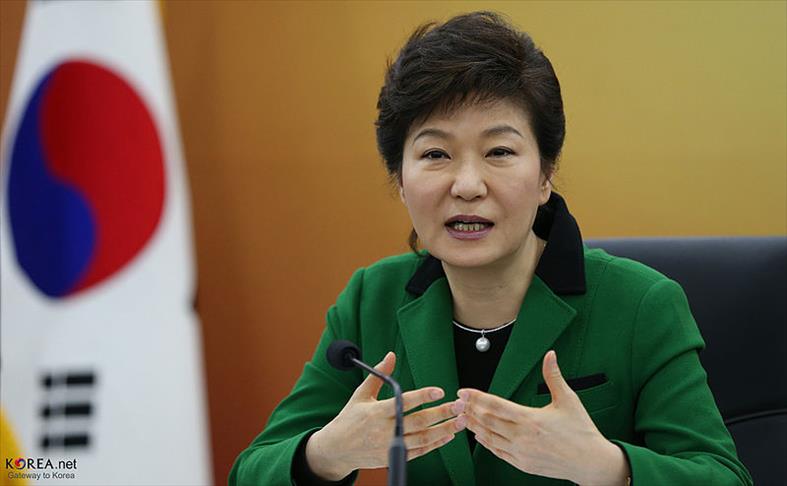
With South Korea’s president set to descend on Myanmar Wednesday, a leading commentator on northeast Asian affairs called on Park Geun-hye to open up dialogue with Japan before it’s too late.
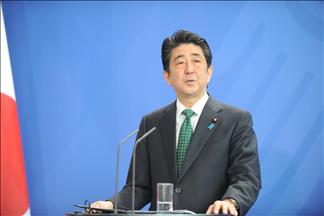
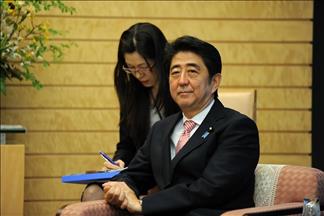
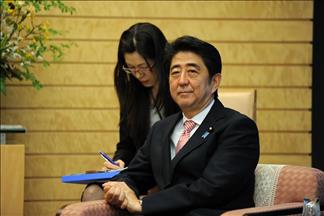
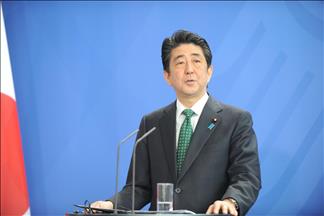
At this week's Asia-Pacific Economic Cooperation (APEC) summit in Beijing, Park was seated for dinner next to Japanese Prime Minister Shinzo Abe – a man she has refused to meet officially one-on-one since she took office early last year.
Government officials from both sides have confirmed to reporters that the two leaders agreed to continue efforts to improve relations, which Seoul views as having been soured by issues stemming from Japan’s colonization of Korea between 1910 and 1945. The Abe administration's perceived nationalistic outlook has exacerbated tensions between the neighbors.
“I believe prolonging the cold shoulder treatment will be self-defeating for Korea and, in particular, for the elderly former victims of military sexual slavery," Professor Lee Sung-Yoon of Tufts University, Massachusetts, told The Anadolu Agency on Wednesday. "Korea, too, needs to compromise and win more compensation from Japan for those 54 survivors."
Lee said South Korea needed to address issues sooner rather than later. “Time is not on Korea’s side,” he said.
While it remains to be seen whether Park and Abe will hold further impromptu talks in the near future, they will both be attending the Association of Southeast Asian Nations summit in Myanmar Wednesday and the G20 summit in Australia next week.
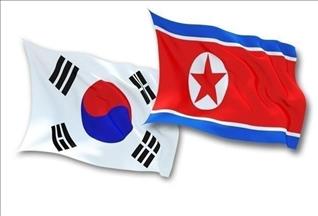
Lee also underlined that Seoul and Tokyo “are tacit allies against a threatening North Korea, which is backed up by China.”
Among those sources of dispute between South Korea and Japan is Tokyo’s refusal to directly resolve the grievances of surviving former wartime sex slaves, insisting that compensation matters were settled under a bilateral agreement in 1965. Meanwhile, Japan also continues to claim islets controlled by South Korea.
Park has found herself at the center of a regional tussle highlighting historical tensions – notably involving the relationship between her country, China, Japan and the United States.
On the sidelines of APEC early Monday, Seoul narrowed economic ties with Beijing as Park and Chinese President Xi Jinping sealed an initial free trade agreement earlier than expected.
The move follows South Korea’s recent extension of U.S. military control of its own territory in the event of war – placing Seoul in an uncommonly close relationship with both Beijing and Washington.
U.S. President Barack Obama will also be present in Myanmar over the next two days, offering an opportunity for all four sides to continue their uneasy discussions over history, current tensions and an uncertain future posed by North Korea’s nuclear ambitions.
www.aa.com.tr/en