Ekip
15 September 2015•Update: 15 September 2015
By Jill Fraser
MELBOURNE
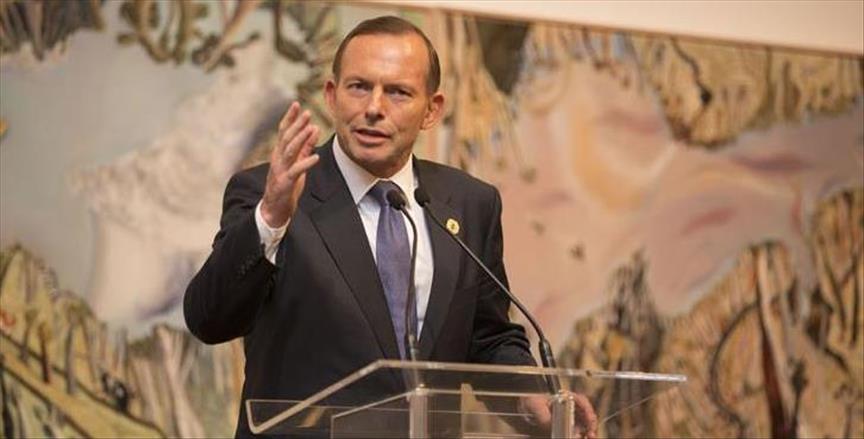
In a snap late night ballot, former Communications Minister Malcolm Turnbull defeated Tony Abbott to become Australia’s 29th prime minister Monday.
Turnbull, a former lawyer, banker and self-made millionaire, is set to be sworn in as the fifth prime minister in five years Tuesday after winning a vote of Liberal Party lawmakers by 54 to 44.
A challenge to Abbott’s leadership had been signaled by a run of 30 consistently poor opinion poll results. But Monday’s coup caught everyone off guard.
It was six hours of high drama from the moment Turnbull announced he had called for a leadership vote to when the party’s chief whip Scott Buchhol strode down the corridors of Parliament House to inform waiting reporters the Liberal Party had a new leader and Australia a new prime minister.
In February, Abbott survived what he referred to as a “near death experience” when a special party meeting backed him by 22 votes. Emerging victorious but battered, he vowed to change, stressing he was the best man to win the next election.
“I've listened, I've learned and I've changed and the government will change with me,” he declared.
However, his apparent inability to connect with the electorate and his incessant sloganeering led to his stock plummeting and to infighting within the right-of-center party’s ranks.
After announcing his intention to challenge Abbott, Turnbull delivered a stinging attack on his opponent’s leadership style.
Speaking to the media, Turnbull said: “Ultimately, the prime minister has not been capable of providing the economic leadership our nation needs. He has not been capable of providing the economic confidence that business needs.
“We need a different style of leadership. We need a style of leadership that explains those challenges and opportunities, explains the challenges and how to seize the opportunities. A style of leadership that respects the people's intelligence, that explains these complex issues and then sets out the course of action we believe we should take and makes a case for it. We need advocacy, not slogans.”
He argued that if Abbott, who came to power in a general election victory in 2013, led the Liberals into next year's election, the opposition Labor Party would win.
Abbott urged his colleagues not to repeat the mistakes of their Labor predecessors who famously switched leaders three times in three years.
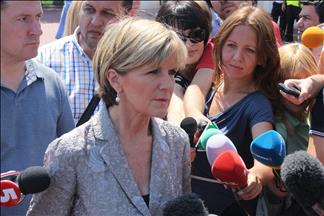
Monday’s ballot also saw Foreign Minister Julie Bishop elected deputy leader.
It is understood that Bishop, who has served as deputy to three prime ministers, met Abbott shortly before the vote to tell him he had lost the majority support of his cabinet colleagues and party. She suggested his options were to resign or hold a party ballot. Abbott opted for a ballot.
The victorious new leadership team of Turnbull and Bishop faced the media Monday night.
Turnbull said he was humbled by the honor bestowed on him. “This has been a very important, sobering experience today,” he said.
He pledged to bring “economic vision” to the country and “explain the great challenges and opportunities” ahead. “So that we are seeking to persuade rather than seeking to lecture,” he said.
Turnbull promised to “lead a thoroughly Liberal government" committed to freedom, the individual and the market.
Bishop echoed the same sentiment, saying she wanted to restore the progressive values of Liberal Party founder Robert Menzies to government.
After the vote, Opposition Leader Bill Shorten tweeted: “Australians know that with Malcolm, it will always be about Malcolm.”