
By Mehmet Emin Gurbuz
BOLU, Turkey
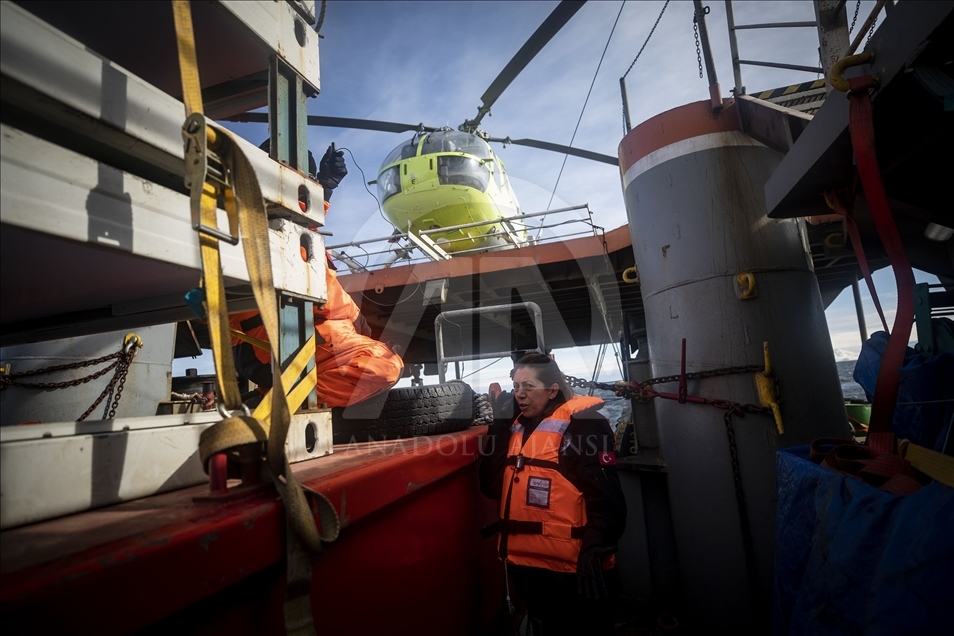
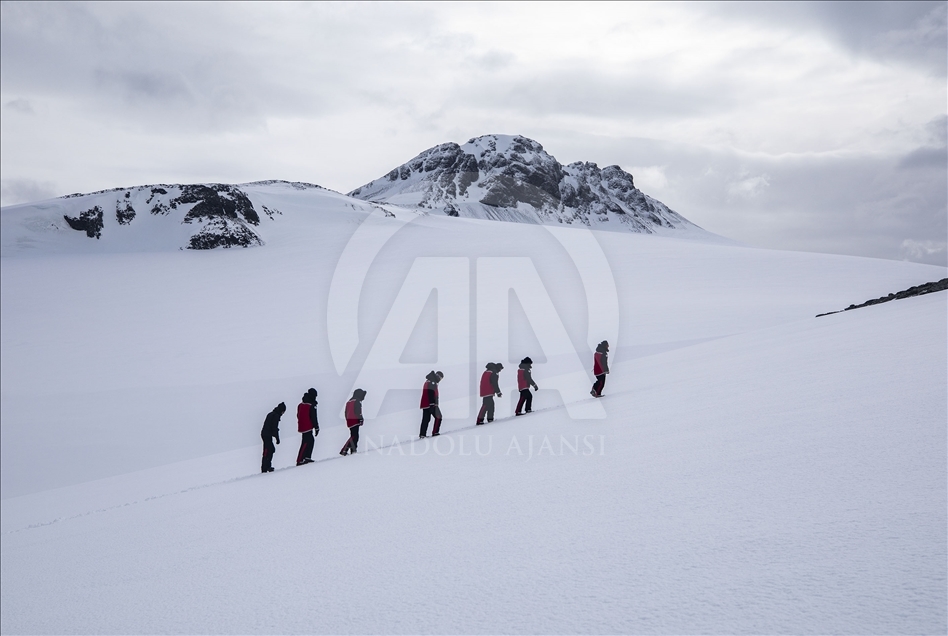
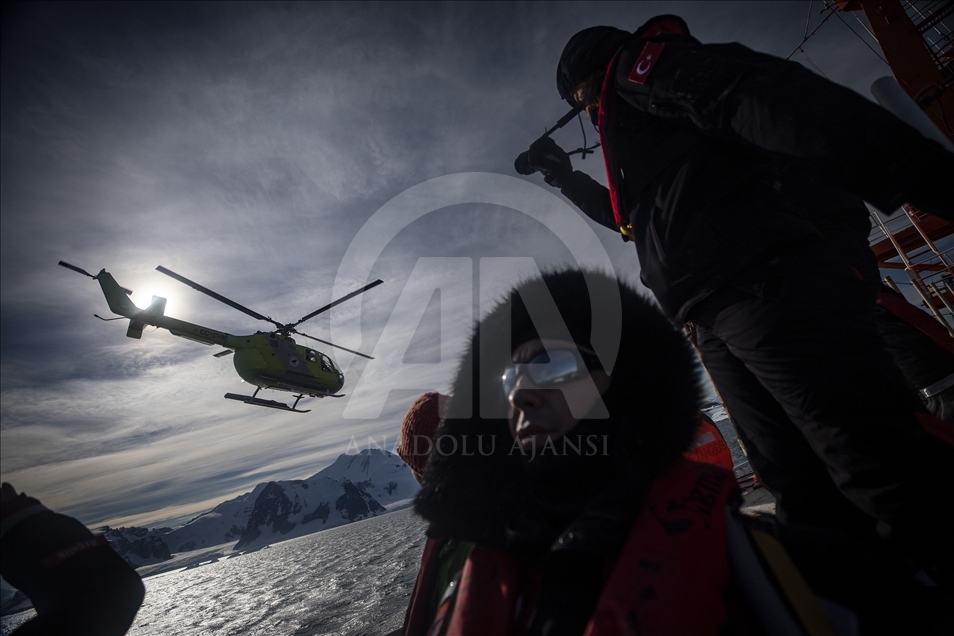
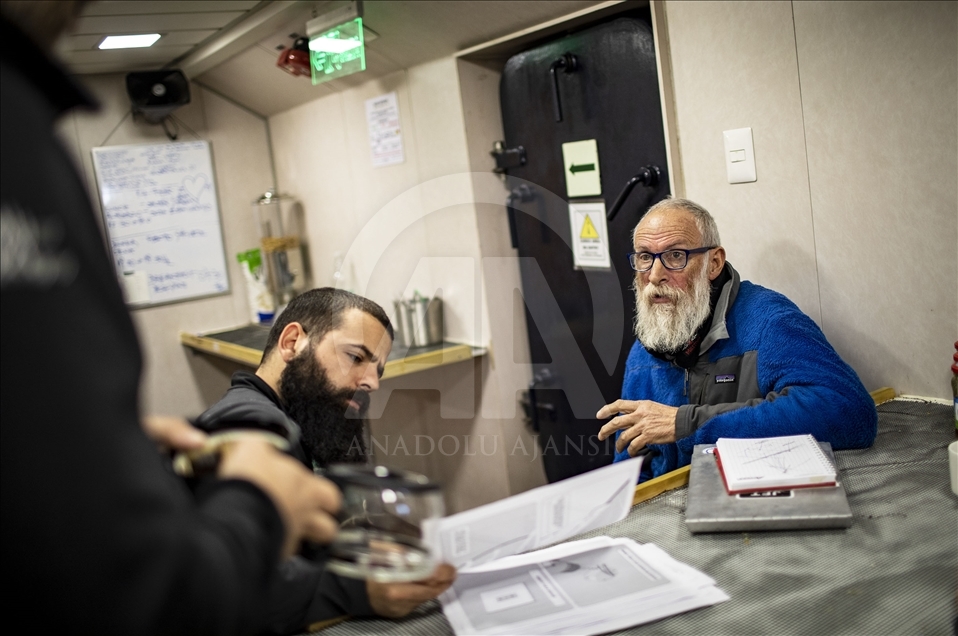
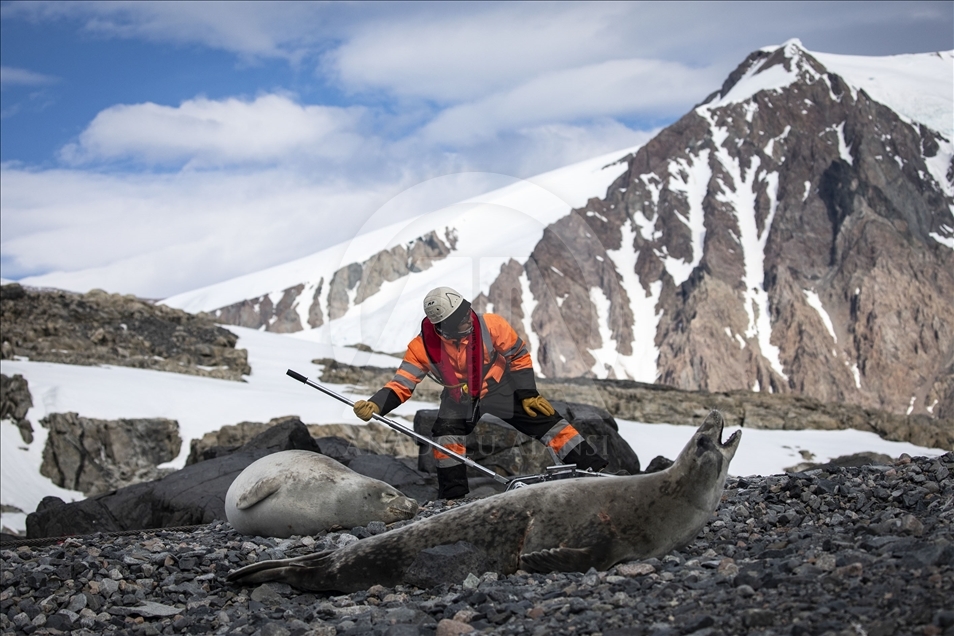
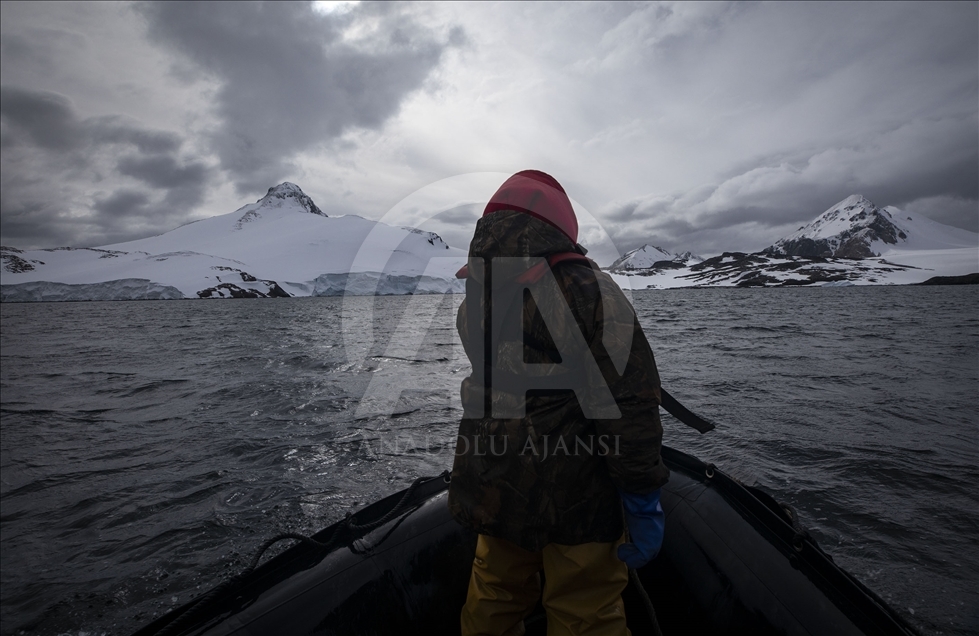
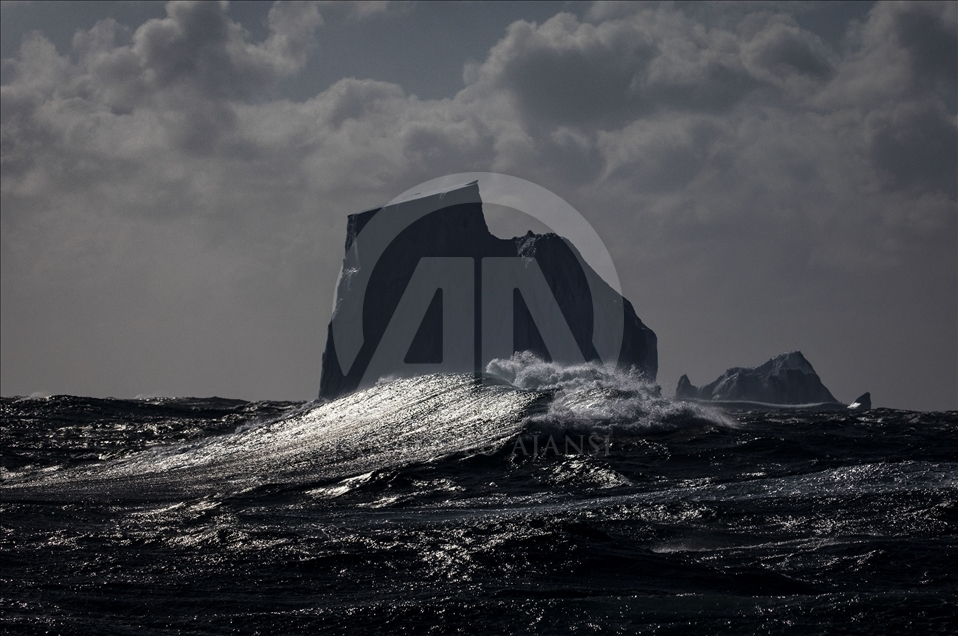
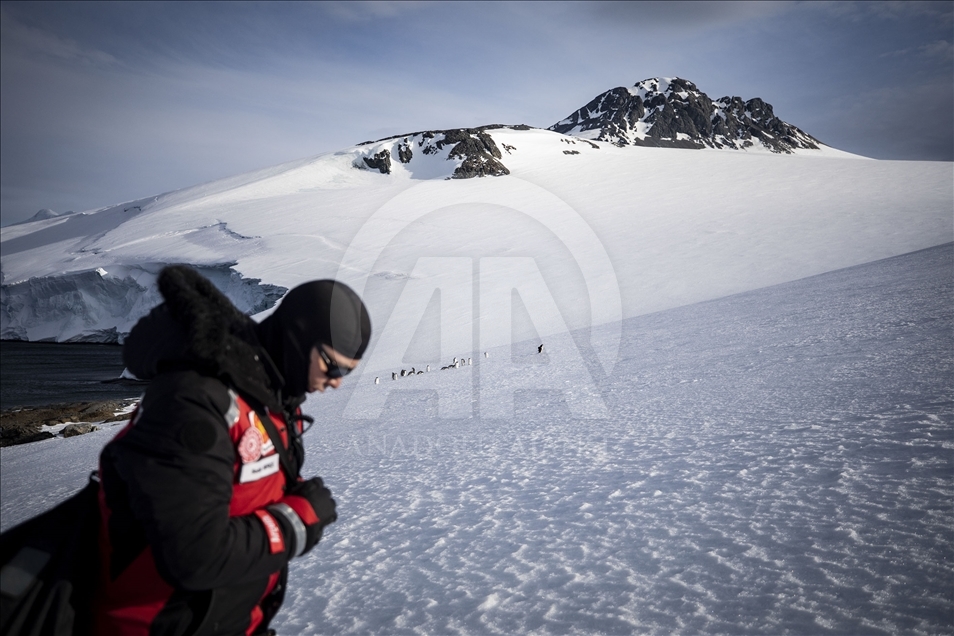
A team of Turkish scientists now in Antarctica has established a temporary science base on the bottom of the world, said the nation’s industry and technology minister on Monday.
Following the setting up of the landmark base, Turkish "scientists are currently planning their third science expedition to Antarctica," Mustafa Varank told a campaign rally in Bolu.
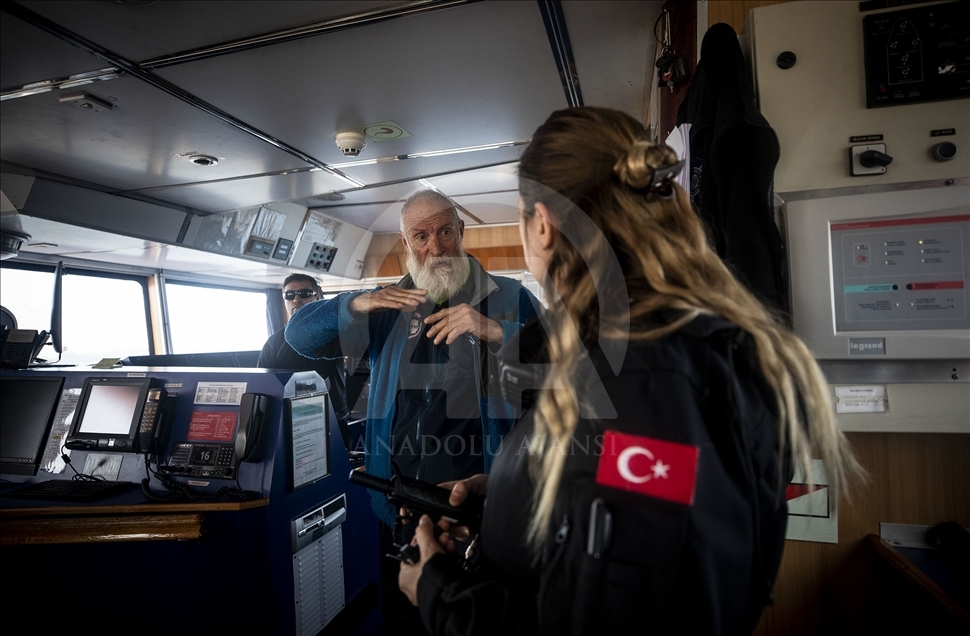
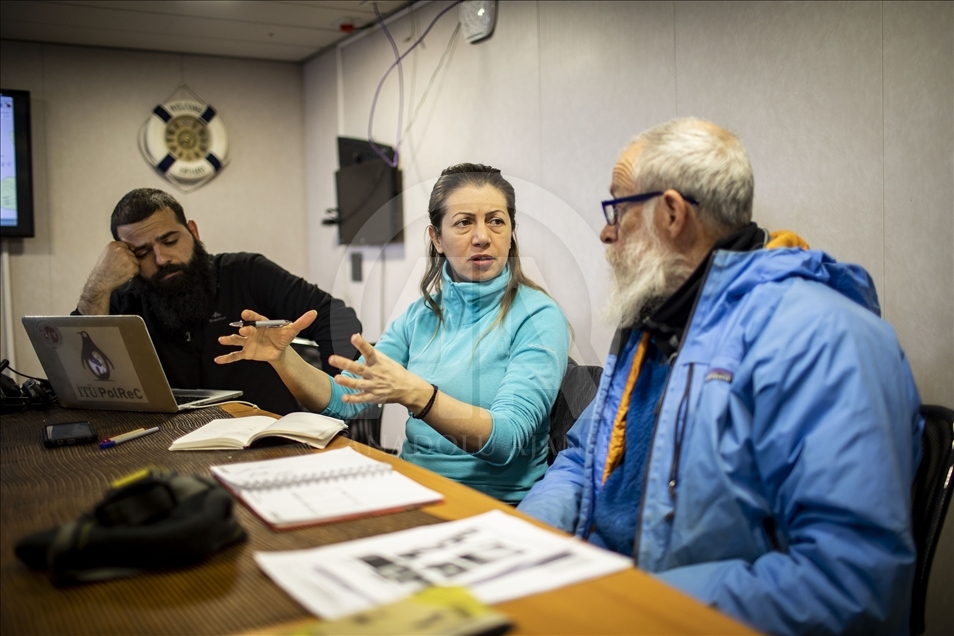
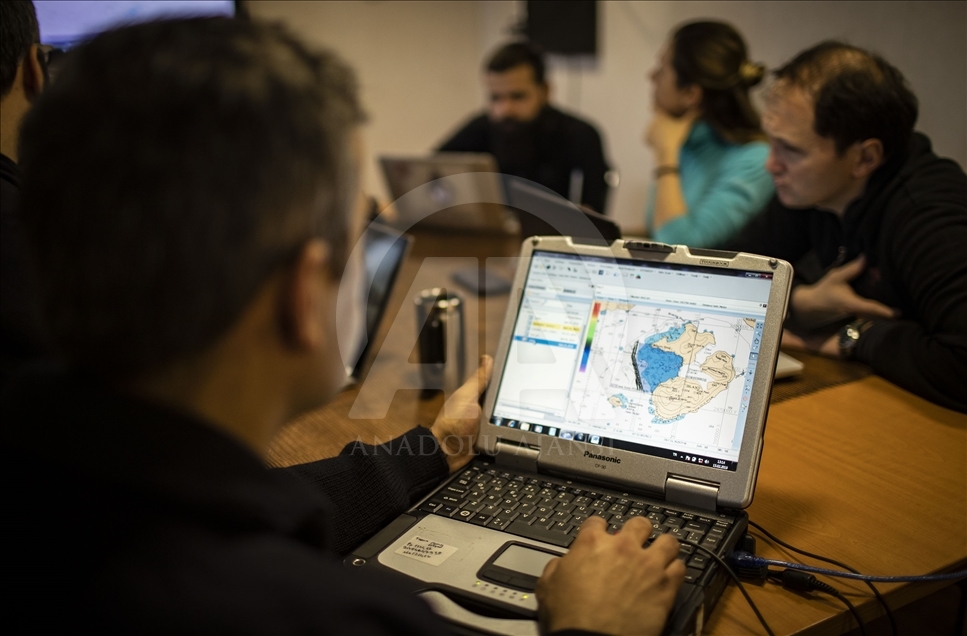
Earlier this month, a Turkish team led by scientist Burcu Ozsoy -- Turkey’s second team to the frozen continent -- traveled to Antarctica for a 30-day expedition.
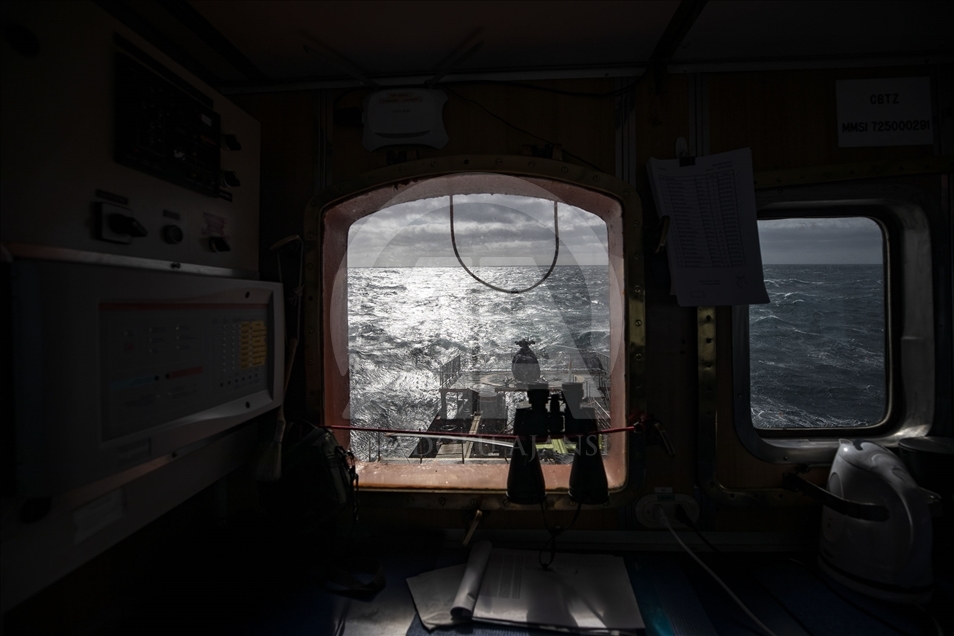
The current expedition follows up on 2016, when the first-ever Turkish team of researchers -- including doctors, botanists, geologists and oceanographers from seven universities -- traveled to Antarctica to study the impact of climate change.
The current expedition is supported by the Turkish Presidency, the Industry and Technology Ministry, and Istanbul Technical University’s Polar Research Center, along with other Turkish universities.

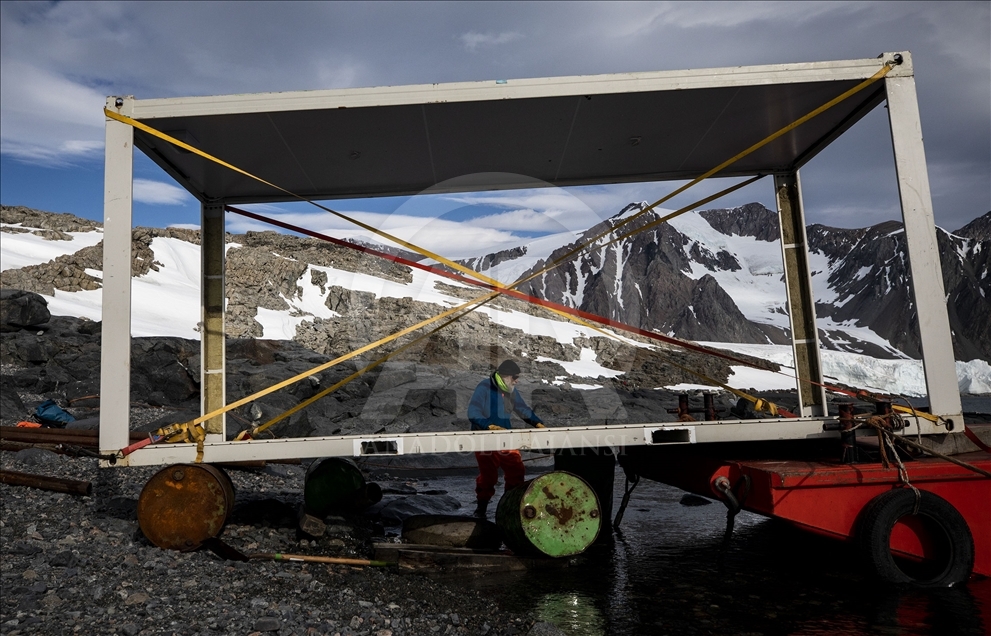
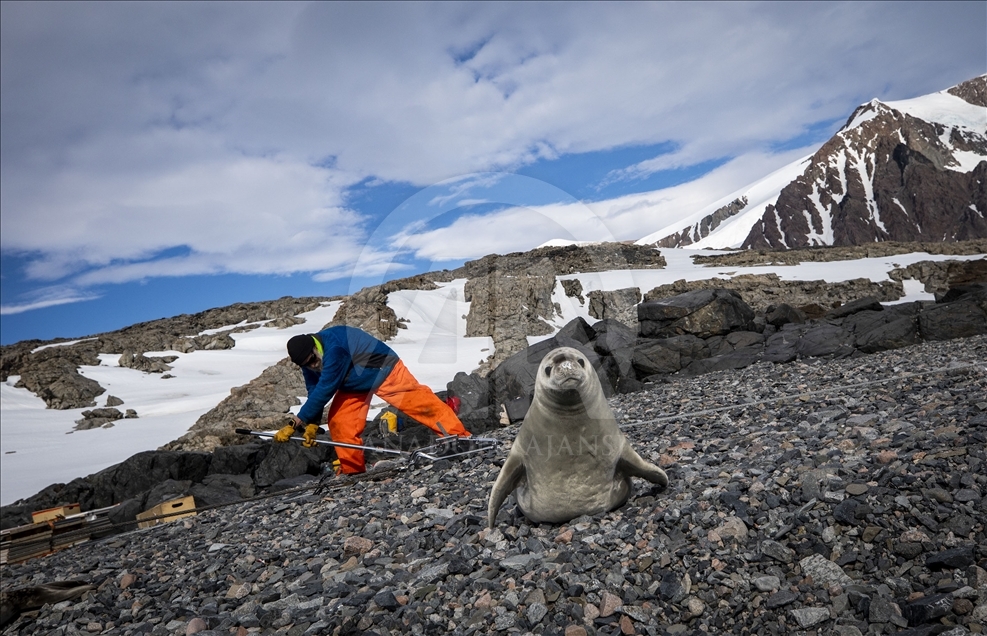
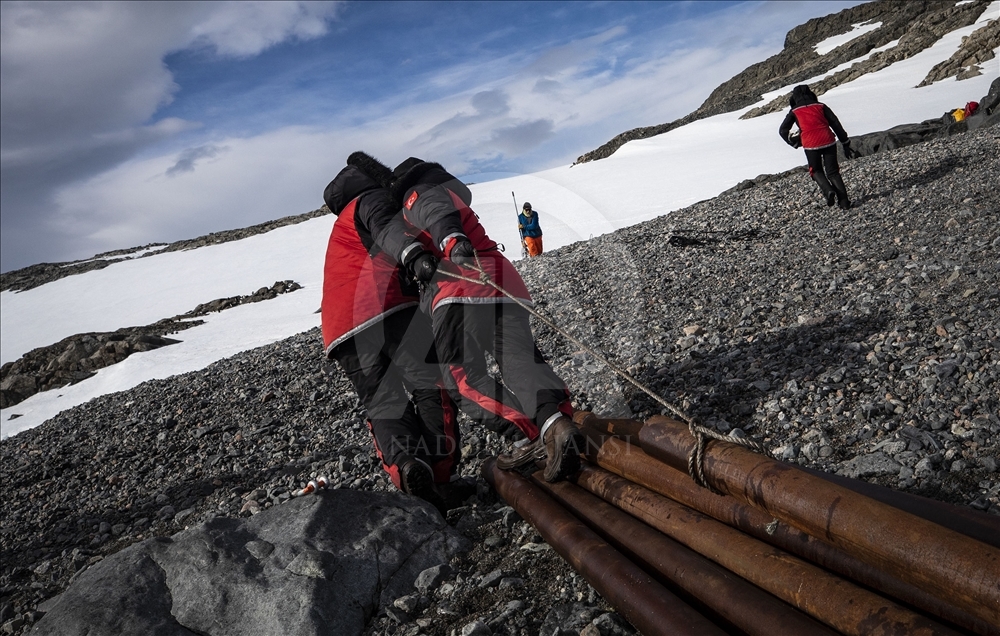
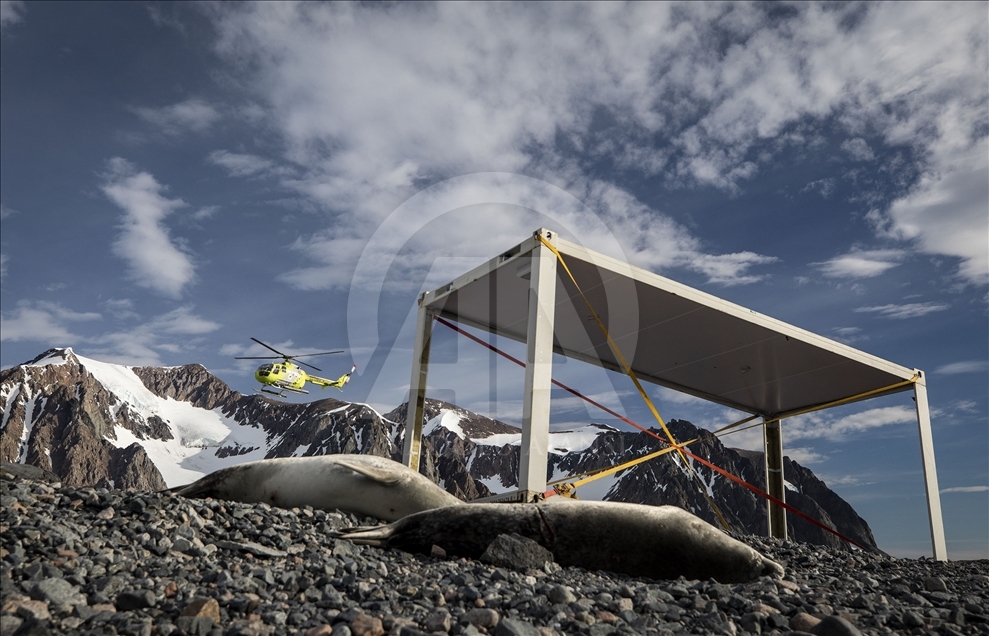
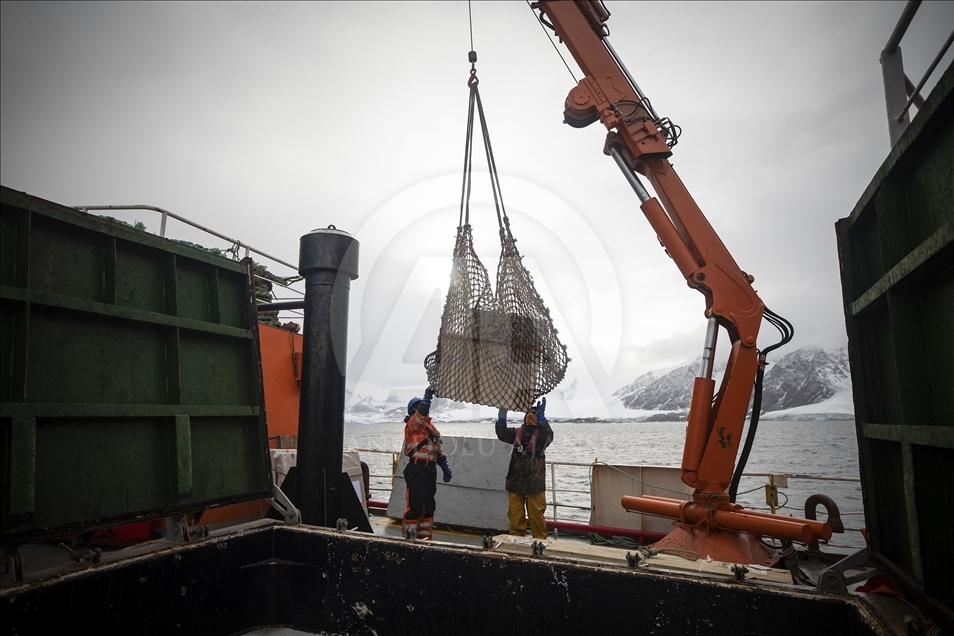
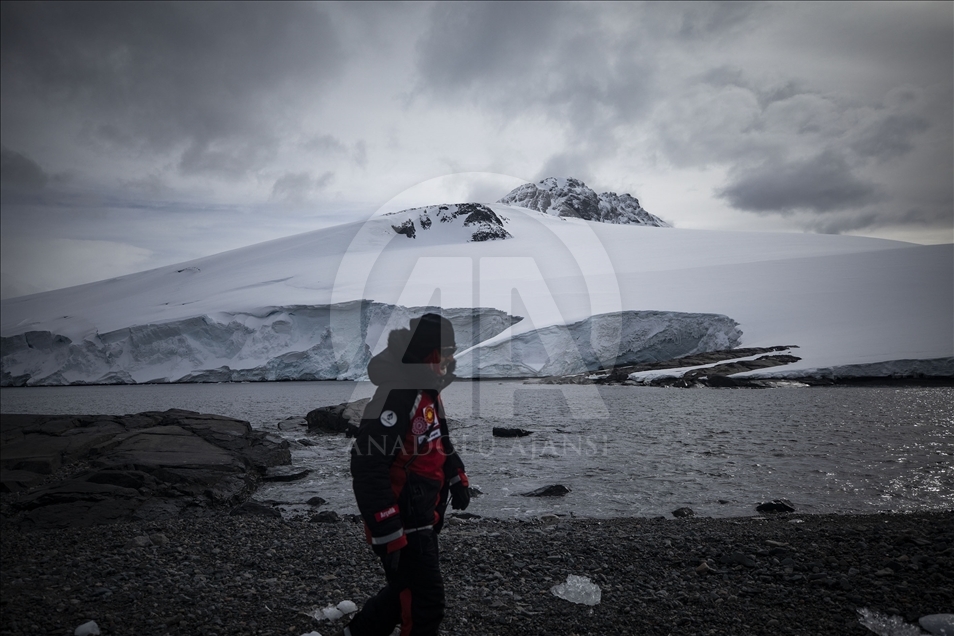
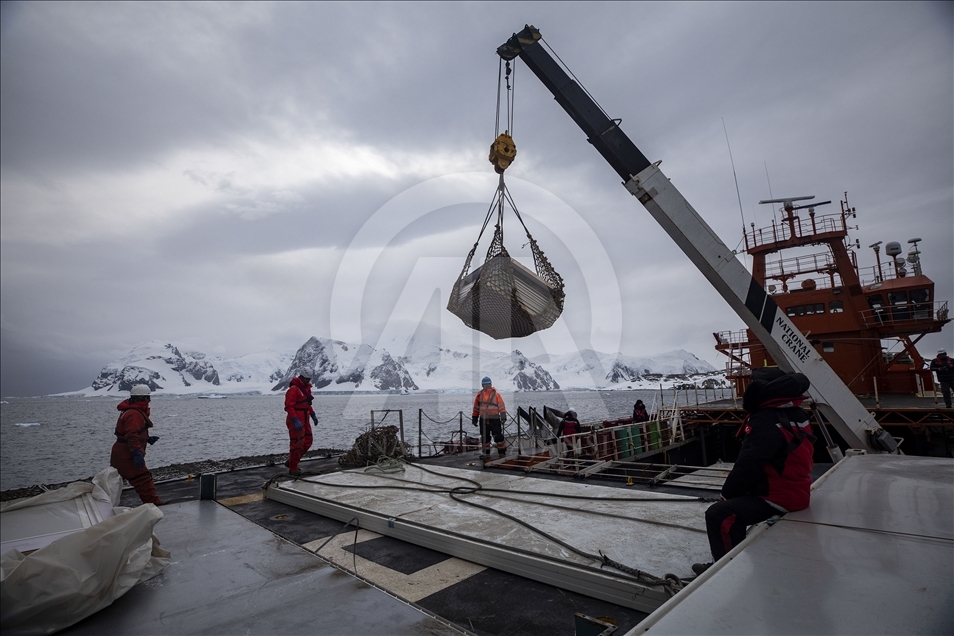
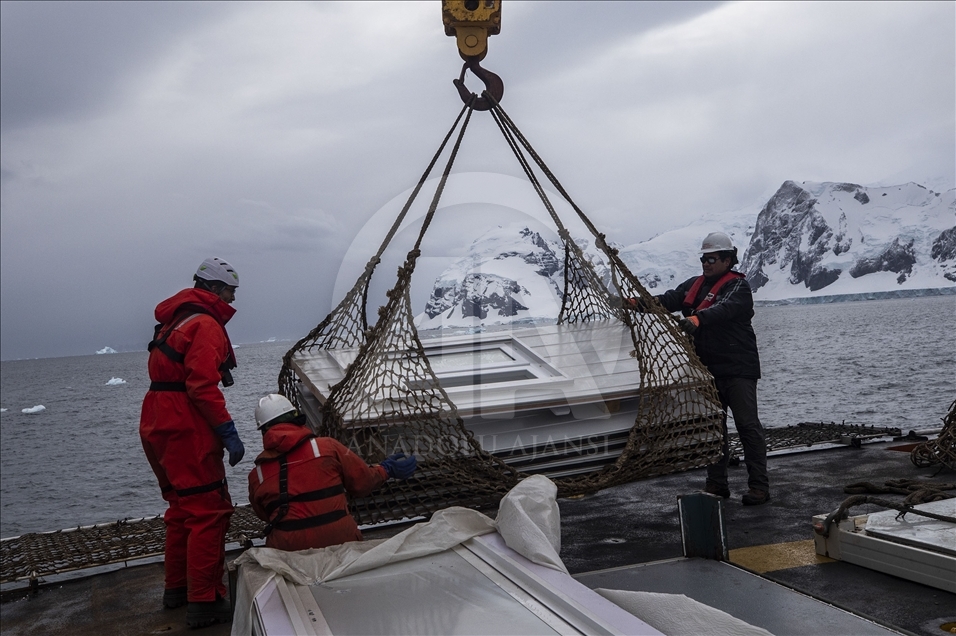
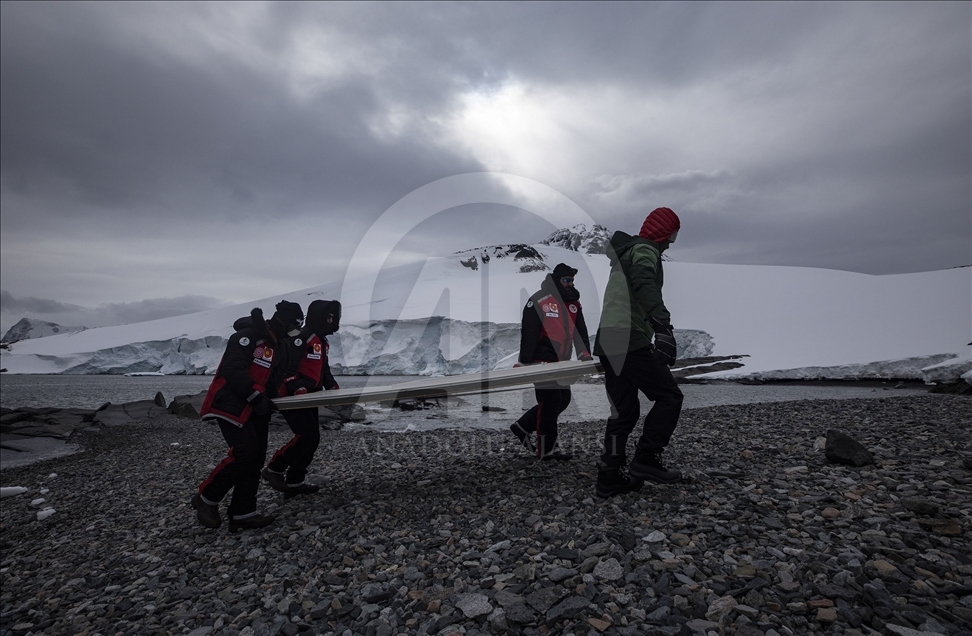
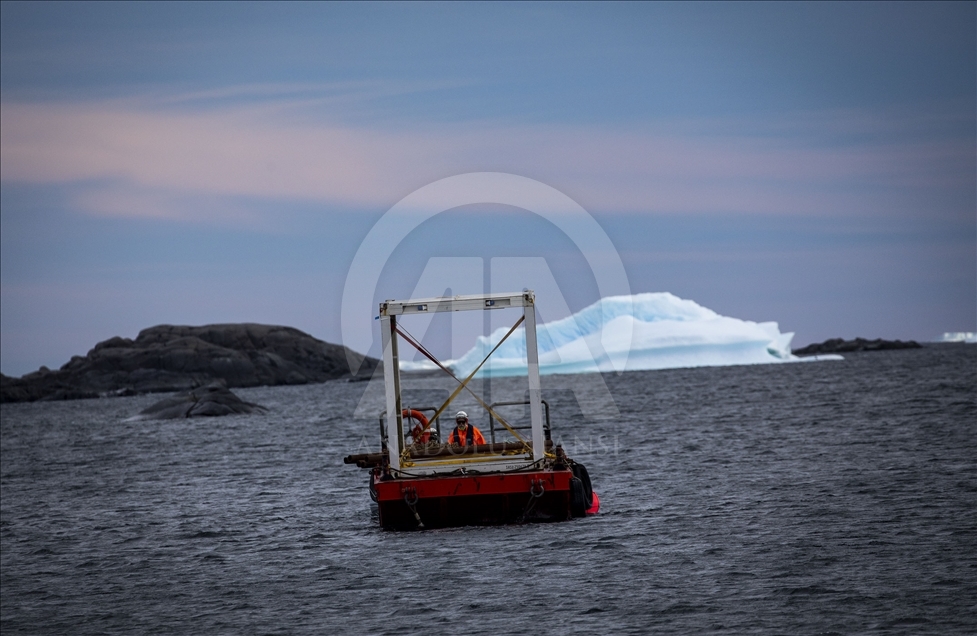
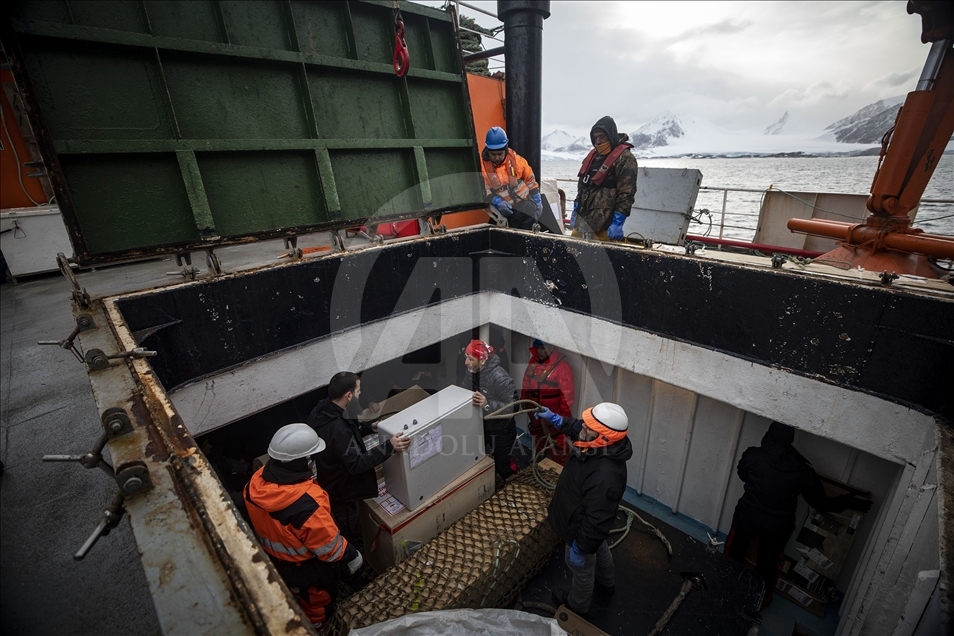
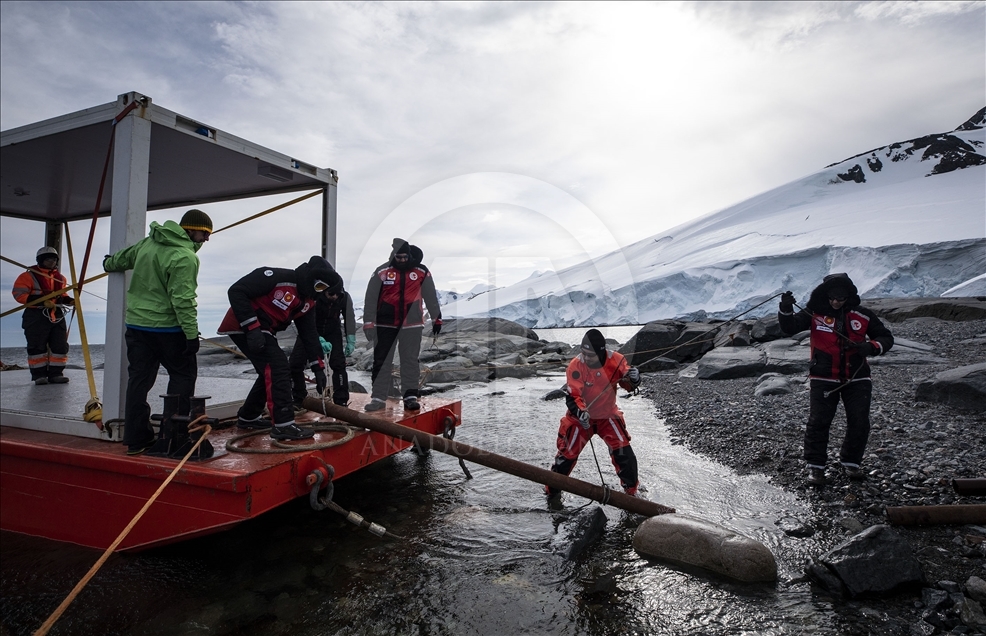
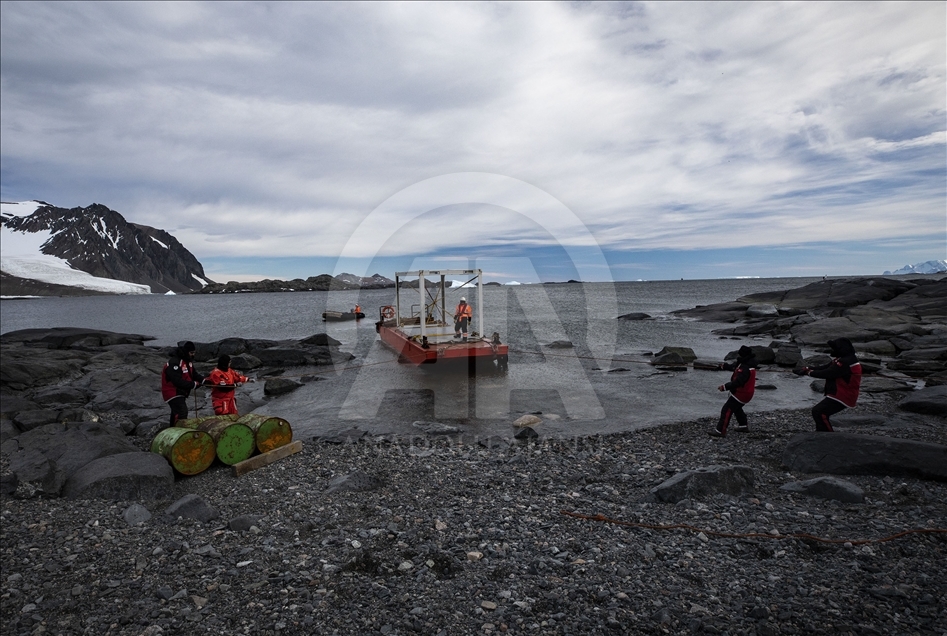
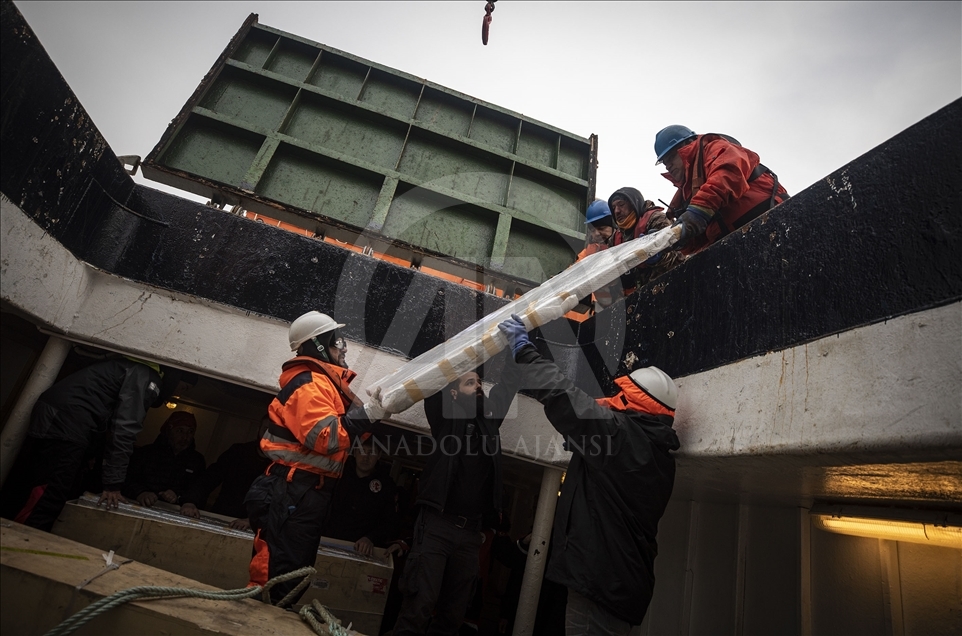
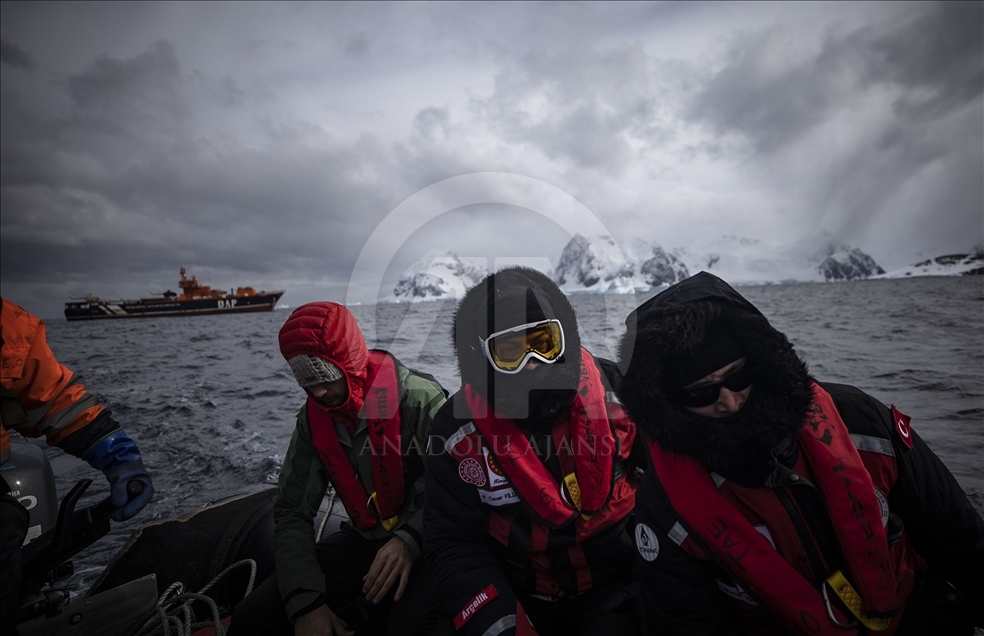
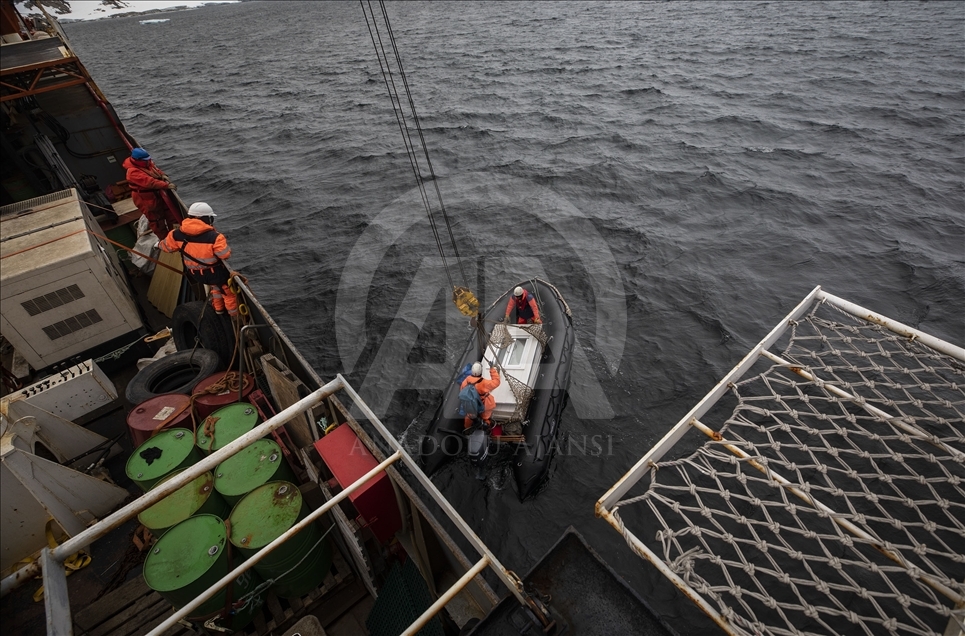
ANTARCTICA - FEBRUARY 20 : Bilge Tutak (L), Istanbul Technical University - Faculty of Naval Architecture and Ocean Engineering Ship and Marine Engineering Faculty and Ersan Basar (R), Assistant team leader and faculty member of Karadeniz Technical University's Maritime Transportation and Management Engineering Department help carry the modules for setting up a research base at Horseshoe Island in Antarctica on February 20, 2019. Turkish scientific research team set out from Antarctica’s King George Island and passed through the Strait of Gerlache and the Lemaire Canal, and set up a research camp at Horseshoe Island as the weather got better within the 3rd National Science Antarctica Expedition, under the auspices of Presidency of Turkey and under the coordination of the Ministry of Industry and Technology and Istanbul Technical University (ITU) Polar Research Center (PolReC). ( Özge Elif Kızıl - Anadolu Agency )
Continent reserved for humanity
Antarctica, which has no indigenous inhabitants and is not ruled by any country, is called the “peace and science continent.” It has served as a scientific research zone since the signing of the 1959 Antarctic Treaty.
The Council of Managers of National Antarctic Program, formed in 1988, includes 30 members which have more than 100 scientific bases in moderately mild regions of the continent.
The university's Polar Research Center was established in Antarctica in 2015 with the aim of doing research and raising Turkey's profile among the international scientific community.

contact_the_ombudsman
is_there_an_error_in_this_story