Felix Nkambeh Tih,Rafiu Oriyomi Ajakaye
22 December 2015•Update: 25 December 2015
ANKARA
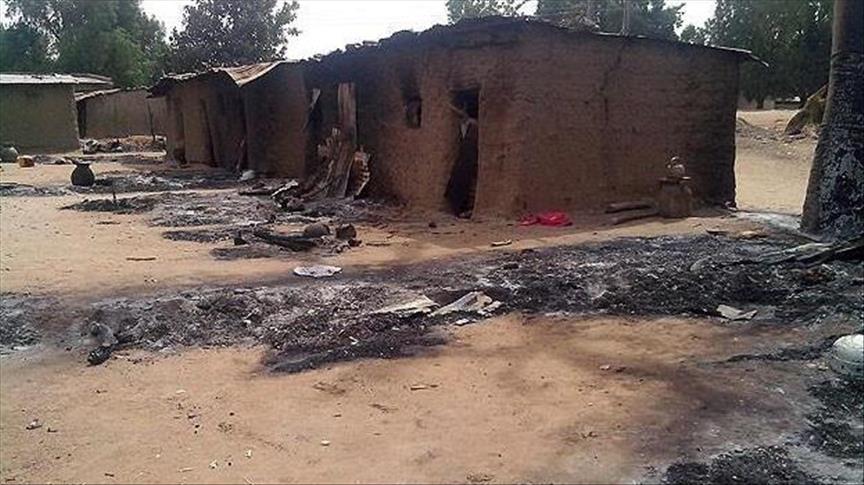
Boko Haram-related violence and attacks on civilian population have forced more than a million children out of school across Nigeria, Cameroon, Chad and Niger, the United Nations Children Fund (UNICEF) said in a statement Tuesday.
According to the agency, the figure adds to the estimated 11 million children already out of school across the Lake Chad region. It said that while some schools earlier shut as a result of violence were now reopening, the sense of insecurity and Boko Haram violence still persisted across the region.
"Across Nigeria, Cameroon, Chad and Niger, over 2,000 schools remain closed due to the conflict – some of them for more than a year – and hundreds have been attacked, looted or set on fire. In far north Cameroon, only one out of the 135 schools closed in 2014 has re-opened this year," the organization said.
In northeastern Nigeria, UNICEF said it supported 170,000 children back into education in the safer areas of the three states most affected by the conflict, where the majority of schools had been able to reopen. However, many classrooms there remain severely overcrowded as some school buildings were still being used to house the large numbers of displaced persons seeking shelter from the conflict. In these areas, some displaced teachers, who themselves had fled the fighting, were involved in the schooling.
"In other areas, however, insecurity, fear of violence and attacks are preventing many teachers from resuming classes and discouraging parents from sending their children back to school. In Nigeria alone, approximately 600 teachers have been killed since the start of the Boko Haram insurgency," the organization added.
Manuel Fontaine, UNICEF's regional director for West and Central Africa, said in the statement: "Schools have been targets of attack, so children are scared to go back to the classroom; yet the longer they stay out of school, the greater the risks of being abused, abducted and recruited by armed groups".
The organization also pointed out that security constraints and funding shortfalls hindered access to education services and the delivery of emergency learning materials. “So far, UNICEF has received 44 percent of the funding required in 2015 to respond to the humanitarian needs of children in Niger, Nigeria, Cameroon and Chad," it stated.
"In 2016, UNICEF will need nearly $23 million to provide access to education for children affected by conflicts in the four countries, most of whom live around the Lake Chad region," it added.