03 December 2015•Update: 05 December 2015
By CS Thana
BANGKOK
The head of the International Organization of Migration (IOM) has underlined that the world is experiencing its greatest migration in recorded history, highlighting those fleeing troubled areas of Africa and Middle East as making up a significant number.
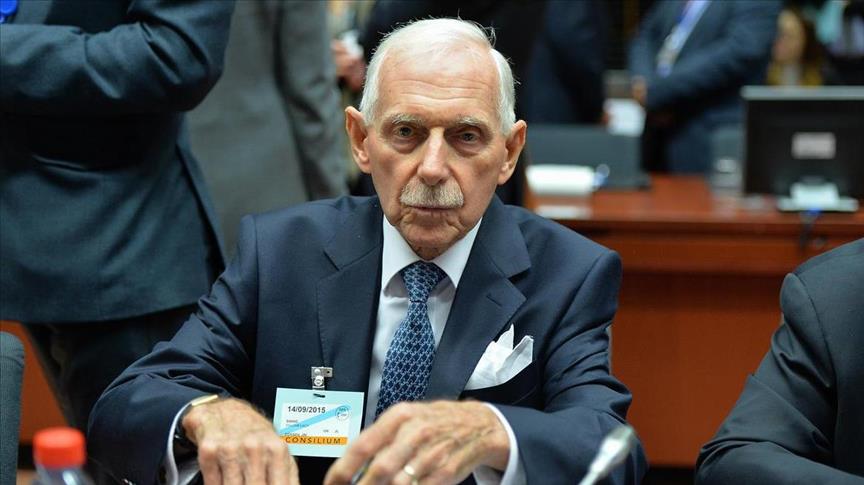
"The world is experiencing unprecedented mobility with 250 million international migrants and 750 million internal migrants on the move," IOM Chief William Lacy Swing told reporters at a press conference Thursday ahead of a summit in Bangkok on irregular migration in the Indian Ocean.
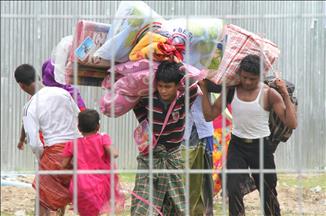
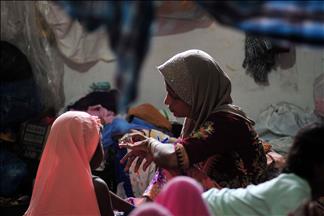
Friday's summit is expected to cover the displacement of ethnic Muslim Rohingya refugees from Myanmar and economic migrants from Bangladesh.
But Swing underlined that that number is small when compared to the displacement of people in Sub-Saharan Africa and the Middle East.
"We are experiencing the greatest number of forced migrants since World War II," he added.
He attributed the vast movement of people in Africa to fears of contracting Ebola, and those in Sub-Saharan Africa and the Middle East to fear of death from violent groups such as Boko Haram and Daesh.
According to the United Nations refugee agency, over 500,000 people have crossed the Mediterranean to Europe this year, more than double the figure for all of 2014.
Some 4 million have fled Syria alone after more than four years of civil war, 2.1 million of whom are now registered in Turkey, according to a November report by the United Nations High Commissioner for Refugees.
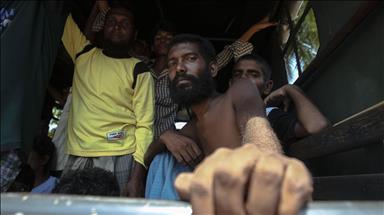
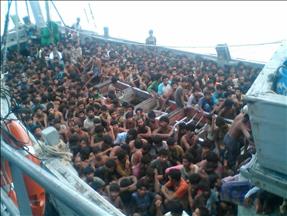
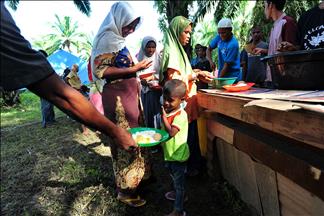
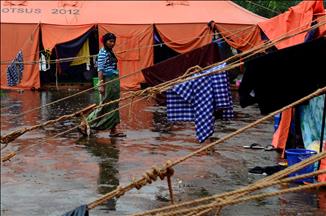
Rohingya have been fleeing persecution in Buddhist-majority Myanmar since sectarian violence erupted in 2012 -- many assisted by people smugglers to travel by boat from Bangladesh to Thailand, where they cross over the border with fellow travellers from Bangladesh into Malaysia in the hope of securing sanctuary and employment.
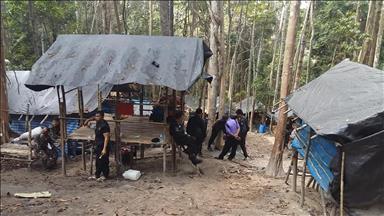
However, in early May this year Thai authorities launched a crackdown on people-smuggling camps on their southern border, scaring traffickers into abandoning their human cargo at sea, and sparking a regional boat people crisis.