13 November 2015•Update: 13 November 2015
By Joshua Carroll
YANGON, Myanmar
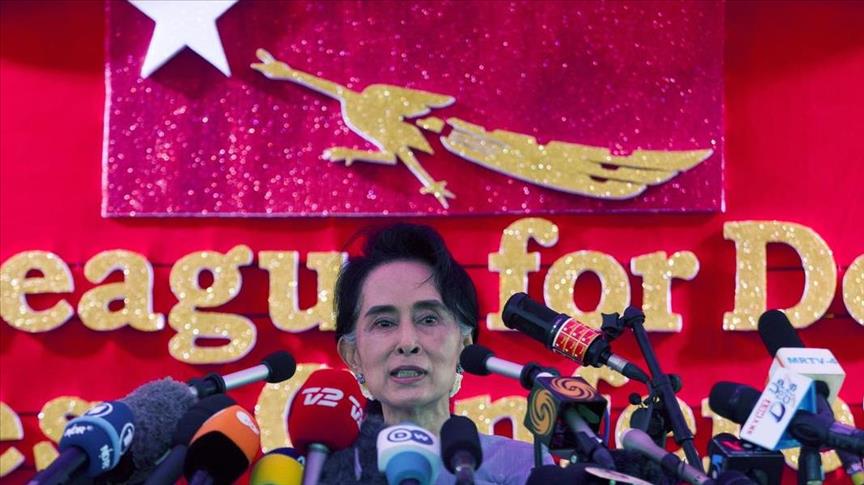
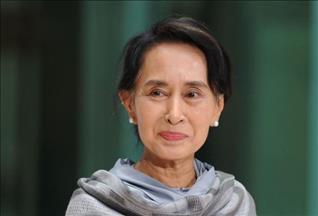
Nobel peace laureate Aung San Suu Kyi's National League for Democracy (NLD) secured a "supermajority" of Myanmar's parliamentary seats Friday, smashing through the threshold it needs to elect the next president and then form a government.
It has been taken for granted for days that the NLD had won overwhelmingly when millions went to the polls Sunday, but analysts were waiting for official confirmation that the party had hit the "magic number" of 329 seats that would allow it to elect a president without help from other parties.
That came at midday local time Friday, when the election commission announced the party had secured at least 348 out of 498 seats in the upper and lower houses.
Sunday's poll was regarded as the freest in decades and a largely credible test of the will of the people despite several flaws.
It is the second time the NLD has won a national election by a landslide but, unlike in 1990, it is expected the military will allow them to take power.
The party was formed amid a democratic uprising against the junta in the late 1980s and has since been the largest pro-democracy force in the country.
Its activists and leaders, including Suu Kyi, spent years under house arrest or in prison for opposing the regime.
The NLD will now be able to elect both the president and one of two vice presidents in an electoral college formed of new MPs early next year. The president will then select a cabinet.
Suu Kyi is ineligible for the role under the military-drafted constitution, but has vowed to lead the country with a puppet president.
United Nations Secretary-General Ban Ki-moon has congratulated Suu Kyi and her NLD on its "landmark performance" in a statement issued by his spokesperson Thursday.
Welcoming the election "as a significant achievement in Myanmar’s democratic transition," he also commended the military-backed Union Solidarity and Development Party "for its dignified acceptance of the verdict of the people."
"While saying this, he [Ban] is regretfully aware that a large number of voters from minority communities, in particular the Rohingya, were denied the right to vote and some were disqualified as candidates," read the statement.
Dozens of Muslim candidates were barred from running in the election on dubious citizenship grounds, and hundreds of thousands of Rohingya Muslims were unable to vote because the government bowed to calls from ultra-nationalists to exclude them.
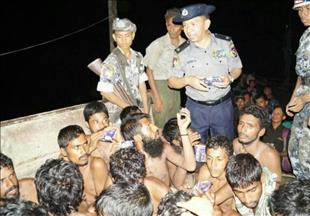
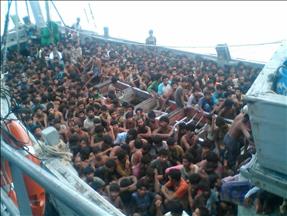
The linguistically and ethnically distinct Rohingya are officially regarded by the country's rulers as interlopers from neighboring Bangladesh, and tens of thousands have been forced from their homes since communal violence broke out in 2012.
"There is much hard work that remains ahead on Myanmar’s democratic journey and towards making future elections truly inclusive," Ban said.
*Anadolu Agency correspondent Mustafa Caglayan contributed to this report from New York.