ANKARA
By Arif Hudaverdi Yaman and Huseyin Erdogan
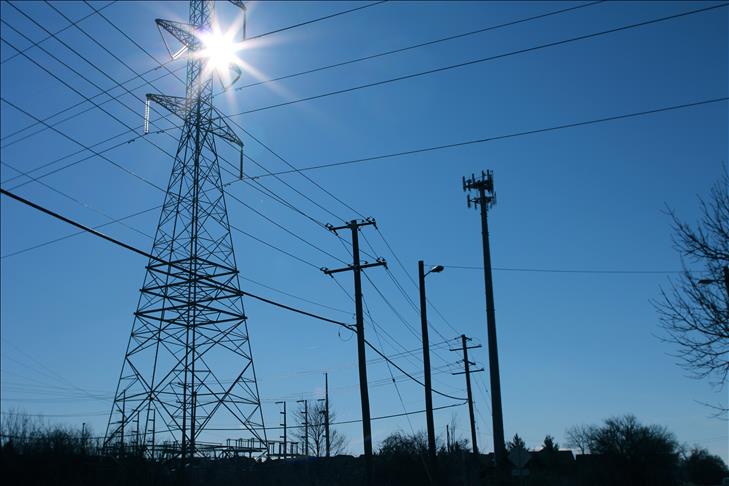
With Turkish energy demand is set to double over the next decade, investment in energy infrastructure in the country is imperative, analysts say.
"Turkey should continue to make investments in energy for the long term," said Erdal Karagol, economics director of the Foundation for Political, Economic and Social Research.
Turkey ranks second in the world after China for the growth of energy demand, according to the International Energy Agency. Turkish energy use will continue to grow at an annual rate of around 4.5 percent between 2015 and 2030, which means it will approximately double over the next decade, the agency reports.
"As a result, Turkey does not have the luxury to suspend its energy investments," Karagol says.
In the economic program for the years between 2015 and 2017, as announced by Turkish Deputy Prime Minister Ali Babacan on Wednesday, there are investments planned for mining, energy raw material, and for renewable and nuclear energy.
According to the program, around $56 billion is expected to be spent on energy imports until the end of this year.
The current, relatively low level of exchange for the Turkish lira should not deter energy investments, the analyst added.
Energy Trade Association Chairman Cem Asik agreed, saying that energy investments are not made with short-term expectations of one or two years.
“Although economic growth will be slow in 2014 and 2015,” Asik said, “There is very good growth forecast for 2016 and after 2016.”
Turkey's energy import bill will total $181.3 billion in the next three years, according to figures in the government's Medium Term Economic Program.
Energy imports will cost Turkey approximately $57 billion in 2015, around $60 billion in 2016 and nearly $64 billion in 2017.
www.aa.com.tr/en