Andrew Jay Rosenbaum
08 January 2016•Update: 09 January 2016
ANKARA
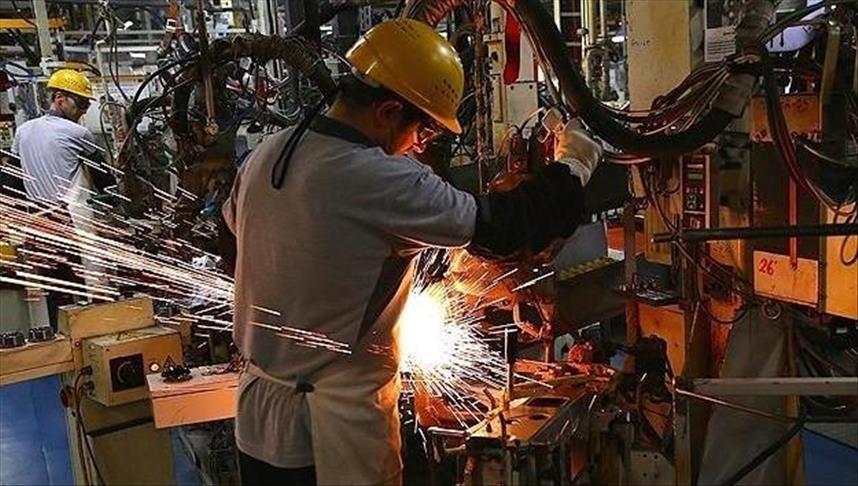
Turkish industrial production jumped 3.5 percent in November 2015 from the same month in the previous year, the Turkish Statistical Institute (TurkStat) reported on Friday.
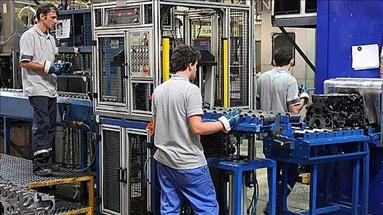
Manufacturing increased by 4.3 percent in November 2015 from November 2014, according to the report.
In the subsectors of the manufacturing, the highest increase was in the manufacture of non-metallic mineral products by 3.6 percent, followed by the manufacture of leather and related products by 3.3 percent and manufacture of machinery and equipment by 3.2 percent in November 2015, compared with November 2014, the report said.
But industrial production decreased by 0.9 percent in November 2015 from the previous month.
“Going ahead, industrial production and survey indicators signal a mild increase in employment,” the Turkish central bank said in a report published on Monday.
Analysts noted that the Turkish manufacturing activity was strong in 2015.
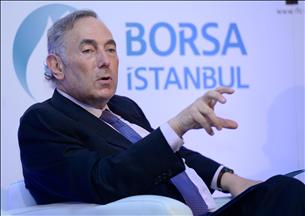
"In Turkey manufacturing activity, based on the Purchasing Managers Index (PMI), has risen to the highest point in more than a year, to a reading of 52.2 as of Dec. 2," noted economist Bora Tamer Yilmaz of Ziraat Securities in Istanbul in a note published on Tuesday. "This probably reflects positive economic developments in the euro area, particularly in Germany where the PMI was announced at 53.2.”
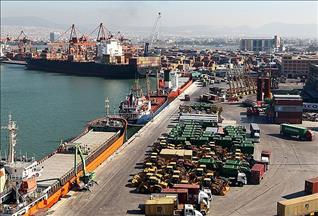
In November 2015, Turkey's main partner country for exports was Germany with a value of $1.2 billion, according to a report by TurkStat published on Dec, 31.
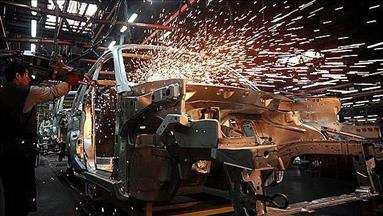
The Turkish automotive industry saw a record increase in output in 2015, with the production up 16 percent to 1.36 million units in 2015, the Automotive Manufacturers Association said in a report on Thursday.
“Turkey is seeing stronger export performance to a recovering eurozone,” agreed Timothy Ash, credit strategist with investment bank Nomura in London in a note published on Wednesday.
Overall, the fundamentals of the Turkish economy are strong, Ash explained.
“Real GDP growth has been enduring -- still in the 3 to 3.5 percent range -- with favorable demographics, a pro-business and entrepreneurial culture," Ash said.
“Turkey is a net importer of around 5 percent of GDP in oil/energy, and hence in theory it should be a big net beneficiary from lower oil prices,” Ash said.
“This should also help the current account balance, as the usual rule of thumb is that each $10 a barrel drop in the oil price saves $4 billion in annual energy import costs,” Ash pointed out, adding that this should help to cap inflation.