WASHINGTON
Turkish and U.S. officials focused on Syria issue during the meeting of "operational mechanism" which was agreed to be set up during U.S. Secretary of State Hillary Clinton's recent visit to Turkey.
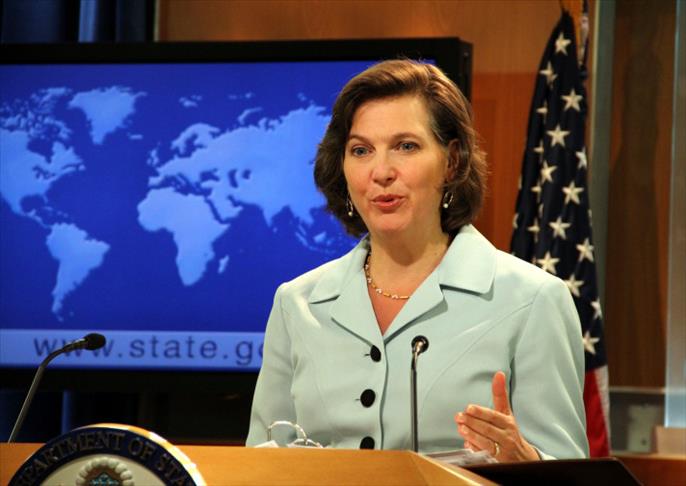
U.S. State Department spokesperson Victoria Nuland said regarding the meeting, "they discussed the full range of issues and challenges with regard to Syria, the issues of supporting the opposition and hastening the day when Assad goes and a transition begins, and the refugee issues."
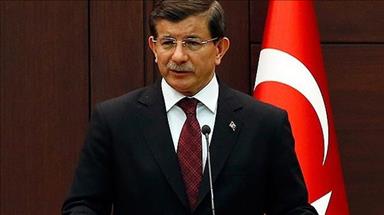
"As you know, this meeting was called as a result of the conversation that the secretary and Turkish Foreign Minister Ahmet Davutoglu had on August 11. And they had agreed to have intensive conversations about operational planning. And so those conversations began today, went into some detail," she added.
Upon a question, Nuland said, "the meeting is designed to go deeply on the full range of contingencies that one might confront. And we are looking at every feasible option in terms of what we might do together to evaluate whether it'll advance our shared goal of hastening the transition or not."
When a reporter asked whether there was a possibility of use of chemical weapons in Syria, Nuland said, "I can't speak to whether and how deeply that specific set of issues came up. But with not just Turkey but all of our allies and partners, we are obviously doing appropriate thinking and contingency planning in case we confront a situation where Assad makes a terrible and horrific choice. That would only be appropriate, as we've made clear."
"But there's also the necessity of planning for the day after. When that day comes, when the Assad regime falls and we move into transitional government, the international community will want to offer the Syrian people support for managing and disposing of some of the most dangerous weapons of the Assad regime," she noted.
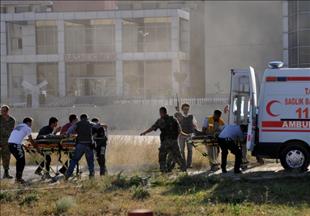
When asked whether PKK dimension of Syria crisis and its connection with Gaziantep bombing were discussed during the meeting, Nuland said, "I frankly don't have any specific information about that. I mean, obviously in all of our conversations with Turkey and, frankly, with others, we've been talking about the importance of having -- working positively with the Kurds of Syria, who want to be part of a peaceful, democratic transition, want to play a role inside Syria in building a democratic future for their country. We've obviously also talked about the threats from spoilers and terrorists and other groups the longer the violence goes on."