Türkiye's new deposit return system for beverage containers is expected to contribute about 30 billion Turkish liras ($645.44 million) annually to the economy while reducing waste and greenhouse gas emissions, the head of the Turkish Environment Agency said.
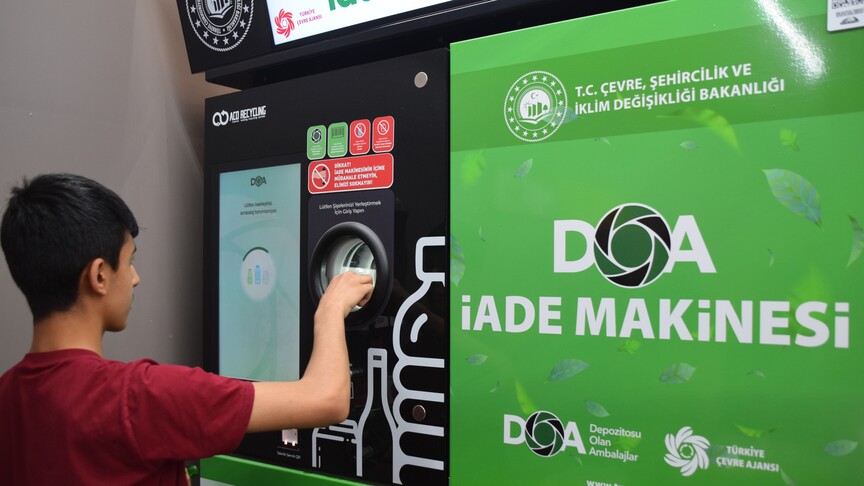
The Deposit Return System for Beverage Packaging, known by its Turkish acronym DOA, will be launched nationwide on July 1 as part of Türkiye's Zero Waste initiative.
Under the system, consumers will be able to return plastic, glass and aluminum beverage containers bearing the DOA logo through designated return points or reverse vending machines and receive a refund of 1 lira per container through a mobile application.
Speaking to Anadolu, Turkish Environment Agency President Nurullah Ozturk said that the project is not only a recycling application but also a strategic transformation project with environmental, technological, industrial and economic dimensions.
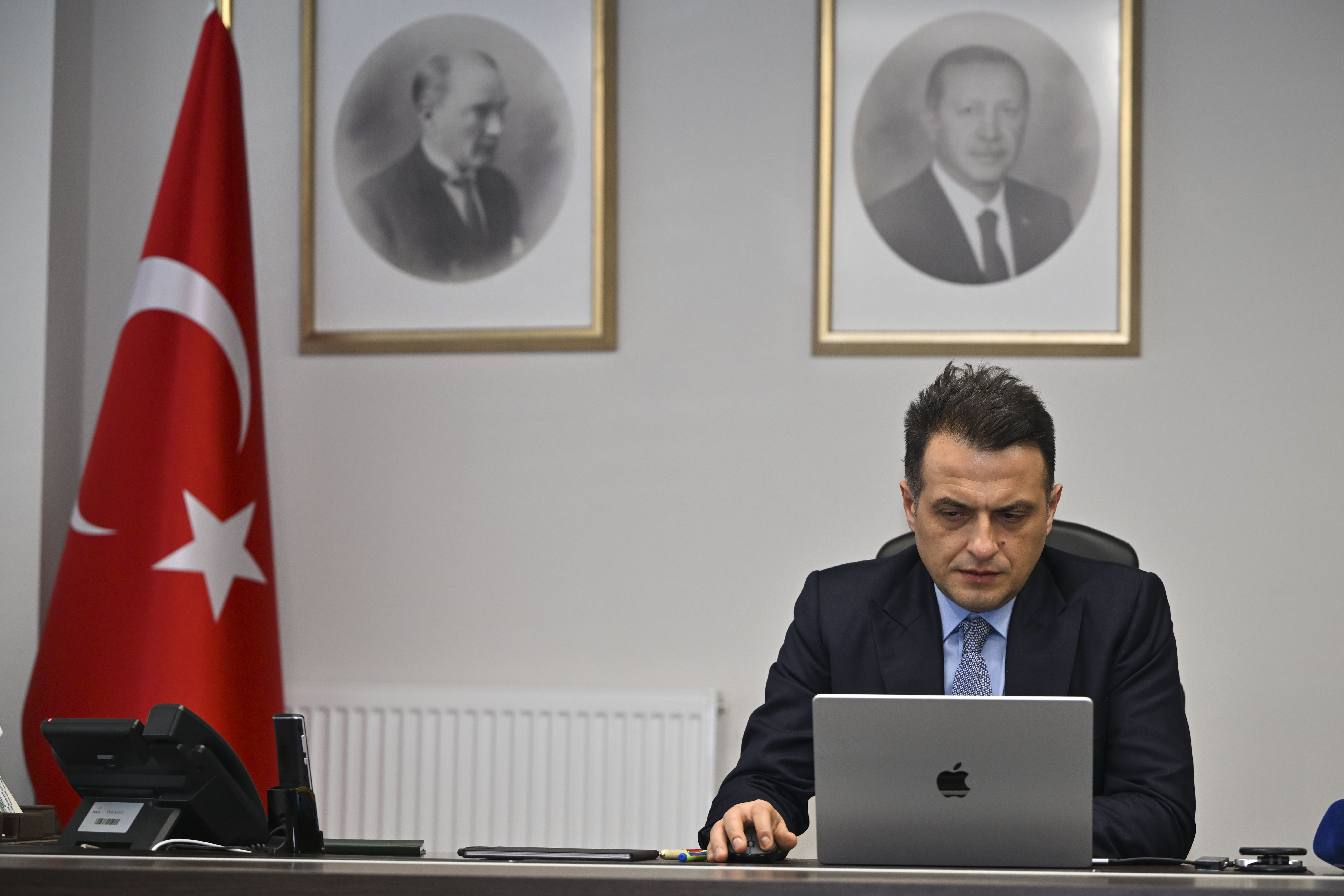
He said that the system is among the world's most comprehensive digital deposit-return programs.
“From producers to consumers, from return points to recycling facilities, the entire process is tracked digitally. In this way, we are creating both a transparent and reliable structure,” Ozturk said.
According to Ozturk, 1,148 reverse vending machines have already been installed across the country, with six domestic manufacturers producing the equipment used in the system.
The agency said a pilot program that began in Sakarya has expanded to 72 provinces and has already recovered more than 38 million beverage containers, including plastic, glass and aluminum packaging.
Türkiye consumes about 25 billion single-use beverage containers annually, Ozturk said.
“We aim for the system to contribute approximately 30 billion liras annually to the Turkish economy. We are creating a strong model that combines environmental benefits and economic gains,” he said.
The agency estimates the system could reduce greenhouse gas emissions by about 37,000 tons annually, save 1.3 billion kilowatt-hours of energy and prevent the use of 3.6 million barrels of oil.
Ozturk also said that increased recycling rates are expected to reduce imports of raw materials used in beverage packaging by between 35% and 40%.
The program includes participation from hotels, restaurants and cafes, with 853 businesses currently registered in the system and 304 manual return points operating nationwide. Twenty-three operators have been authorized to manage collection, transportation and verification processes.