By Richard McColl
BOGOTA, Colombia
Security for women passengers on public transportation in the capital here ranked lowest in the world, according to a Thomson Reuters Foundation report released Thursday.
“When there is no frequent reliable and accessible transport, this can affect the ability to take advantage of opportunities such as work opportunities in urban areas which is something that can affect women in particular,” the foundation said in a press release.
Women “tend to depend more on public transport … particularly in countries of low or mid-range incomes and in emerging economies,” it added.
In recent weeks, the Colombian capital has been the site of demonstrations and strikes related to public transportation. Mayor Gustavo Petro has tried to implement changes to improve mobility and security.
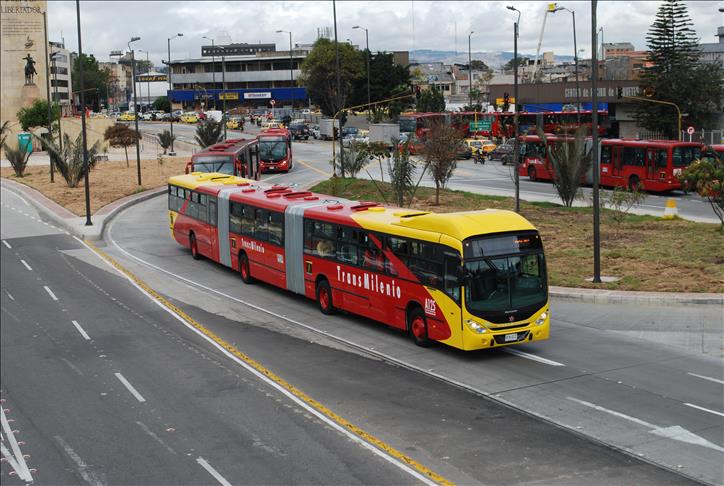
Petro responded to the survey via the city’s website saying that sexual harassment of women on the city’s Transmilenio public transportation system has been reduced. In recent months the police, working with the mayor’s office, has positioned undercover female officers on public transport.
“These women dressed in civilian clothes are trained professional who are using the public transport and are looking out for those who harass women and will arrest them immediately,” Petro said.
The Thomson Reuters Foundation is the corporate charity of Thomson Reuters and conducted its survey in 15 of the world’s largest capitals, as defined by the United Nations, and New York, the most populous city in the United States. The survey was conducted in collaboration with the British polling company, YouGov.
A total of 6,555 questionnaires were recorded for the survey.
The poll, which questioned women in each of the 16 cities – including London, Lima and Mexico City – also surveyed experts on women’s rights, gender equality, urban planning and gender-friendly urban spaces.
www.aa.com.tr/en