13 November 2015•Update: 14 November 2015
LONDON
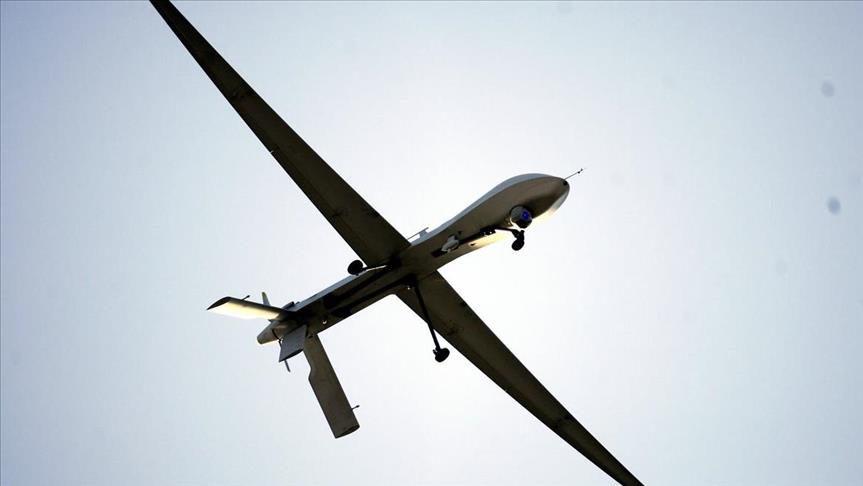
A Daesh militant who became notorious for his role in videos showing hostages being beheaded has been targeted in a U.S. drone strike.
Kuwait-born Mohammed Emwazi, 27, who was raised in the U.K., appeared in videos showing the deaths of British aid workers David Haines and Alan Henning, and U.S. journalists James Foley and Steven Sotloff, among others.
Several U.S. news organizations have reported Emwazi being killed in Thursday’s drone strike in the Syrian town of Raqqa, which has long been Daesh’s center of operations.
However, U.K. Prime Minister David Cameron said they were still waiting for confirmation.
“We cannot yet be certain if the strike was successful but let me be clear: I've always said that we will do whatever is necessary, whatever it took to track down Emwazi and stop him taking the lives of others,” he said in a statement outside Downing Street on Friday morning.
“Emwazi is a barbaric murderer. He was shown in those sickening videos of the beheading of British aid workers. He posed an ongoing and serious threat to innocent civilians not only in Syria but around the world, and in the United Kingdom too."
“He was ISIL's [Daesh] lead executioner and let us never forget he killed many, many Muslims too. And he was intent on murdering many more people. So this was an act of self-defence. It was the right thing to do.”
Emwazi’s actions and his British origins led some media outlets, particularly in the U.K. tabloid press, to dub him ‘Jihadi John’.
An unnamed senior military source quoted by the BBC said there is a “high degree of certainty” that Emwazi was killed in the attack, which was conducted on a vehicle by a drone.
Emwazi had been “tracked carefully over a period of time”, a U.S. official told the broadcaster.
The U.S. Department of Defense confirmed an operation targeting Emwazi had taken place, adding: “We are assessing the results of tonight's operation and will provide additional information as and where appropriate.”