BERLIN
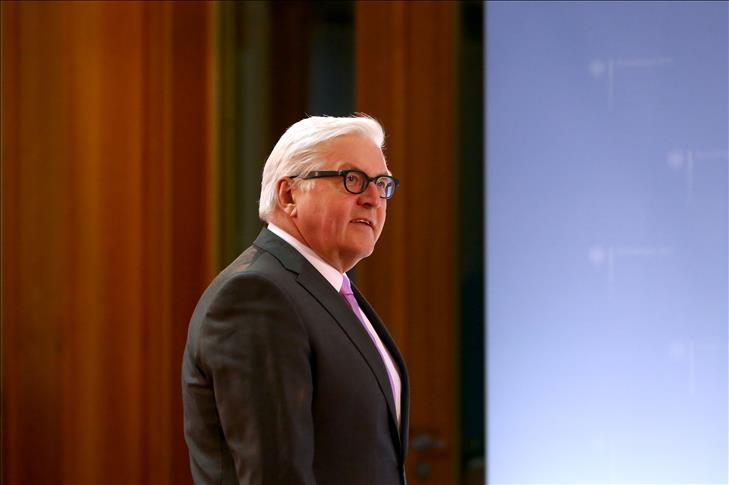
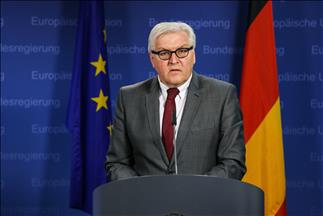
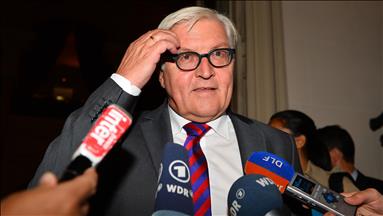
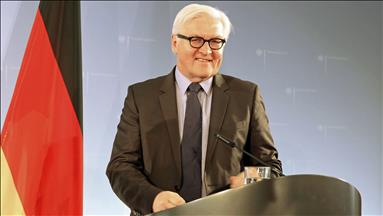
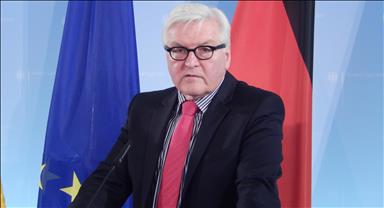
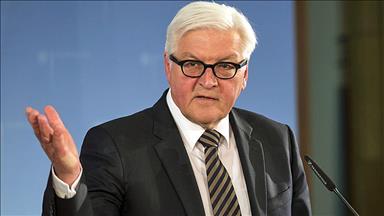
German Foreign Minister Frank-Walter Steinmeier has warned against excessive optimism over the framework accord on Iran’s controversial nuclear program.
“It is too early for celebration. What we have achieved yesterday was a framework,” Steinmeier said Friday at a press conference in Wrocław, Poland, after a trilateral meeting with his French and Polish counterparts.
“Whether we will be able to achieve a final agreement out of this framework… that is what we hope for. But anyone who takes part in negotiations knows that there is never a guarantee for the outcome of negotiations,” he said.
He underlined that the framework was an important step in removing main obstacles towards a political solution. He expressed hope that Iran would abide by its promises
Iranian President Hassan Rouhani also appeared before the media Friday evening to stress on the point that the framework deal hinges on commitments made by both sides and not just Tehran alone. “If other negotiating party fulfills promises, Iran will fulfill promises. If they choose different a path, other options will be available,” Rouhani later tweeted from his official account after his television appearance.
Following Thursday’s framework agreement, negotiators have until June 30 to reach a final agreement on Iran’s nuclear program.
The framework accord foresees various restrictions on Iran's uranium enrichment activities for the next 25 years to ensure that Iran would not be able to build a nuclear weapon. In return, the U.S. and the EU promise to lift sanctions against Iran.
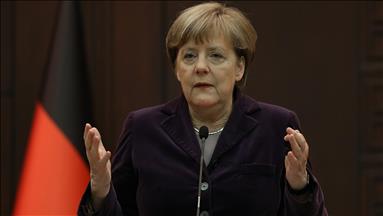
Overall, European leaders have welcomed Iran's promise to make drastic cuts to its nuclear. German Chancellor Angela Merkel had earlier hailed the breakthrough as a significant step towards a final agreement.
Western powers, fearing Iran is developing nuclear weapons, want Iran's nuclear program curbed in return for lifting international sanctions.
Tehran, for its part, insists that its nuclear program is intended solely for peaceful purposes.
World powers group of the US, Russia, Britain, France, China and Germany -- known as the P5+1 - wants Iran to accept limits on its uranium enrichment capacity and allow the UN's International Atomic Energy Agency to inspect its nuclear sites without interference.