Melike Pala
10 June 2026•Update: 10 June 2026
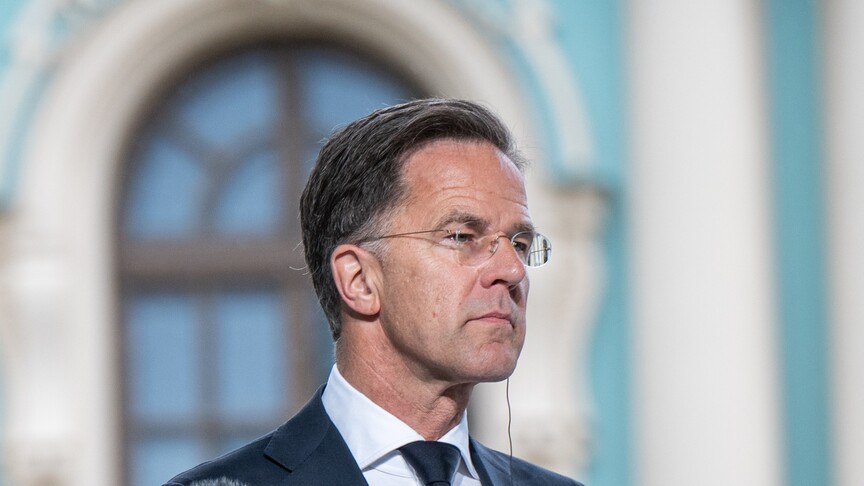
NATO Secretary General Mark Rutte on Wednesday stressed that accelerating defense production and innovation across the alliance is essential to strengthening deterrence and ensuring collective security.
Speaking at the Transatlantic Defense Industry Access Forum at NATO headquarters in Brussels, Rutte called on defense companies to increase output and deliver capabilities faster amid growing security challenges.
"When you, all of you, produce more, our deterrence and defence posture is stronger, and we are all safer," Rutte told representatives from more than 50 US companies and Belgian industry partners gathered to discuss transatlantic defense cooperation.
The NATO chief said defense spending commitments alone will not be enough unless they are matched by a significant expansion of industrial capacity.
Referring to the Alliance's goal of investing 5% of GDP in defense, agreed by allies at last year's NATO summit in The Hague, Rutte said the upcoming summit in the Turkish capital of Ankara next month must focus on concrete military capabilities and industrial output.
"Cash is crucial. But next month’s summit in Ankara will not only be about cash; it has to be about the combat-ready capabilities and significantly scaling up our defense industries," he said.
Rutte argued that greater investment in the defense sector will not only strengthen security but also support economic growth and employment across allied countries.
He also underscored the importance of close transatlantic cooperation in defense manufacturing and innovation.
Rutte also met with the European Parliament's political groups' leaders, where he described NATO-EU cooperation as essential for protecting the security and freedom of citizens.
In remarks delivered during a session chaired by European Parliament President Roberta Metsola, Rutte said European allies are increasing efforts to strengthen collective security and build "a stronger Europe in a stronger NATO."
He called for renewed efforts to strengthen the defense industrial base, accelerate innovation, and deepen transatlantic defense cooperation, while welcoming European Union initiatives aimed at boosting defense readiness.