13 March 2016•Update: 18 March 2016
By Alex Jensen
SEOUL
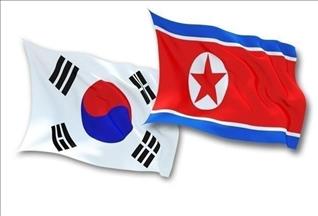
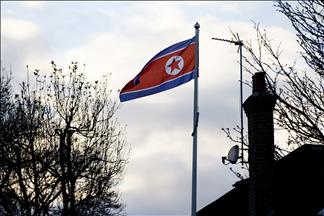
North Korea is capable of launching a devastating hydrogen bomb attack on New York City, according to one of the authoritarian state’s nuclear scientists Sunday.
The warning comes despite the United States’ refusal to officially recognize the North as a nuclear power.
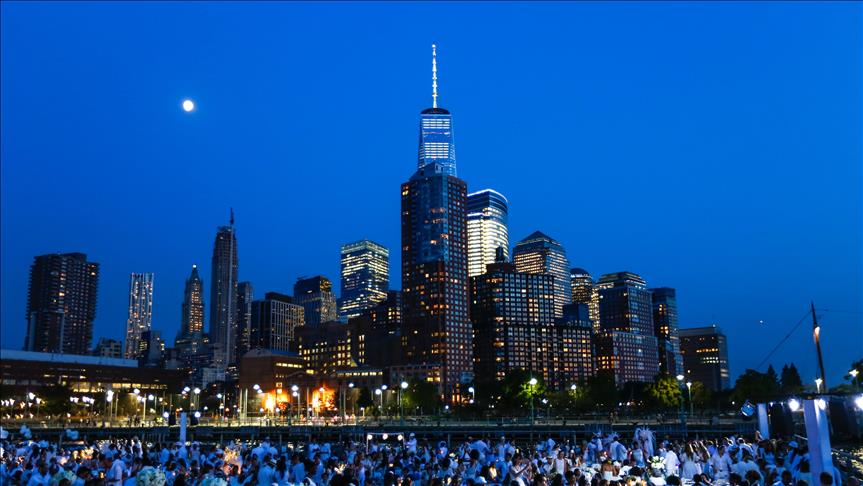
In an article carried by Pyongyang’s official DPRK Today website, scientist Jo Hyeong-il warned that if a miniaturized North Korean warhead were to be launched via a long-range missile upon Manhattan, “all the people living there would die instantly and the entire city would become ashes.”
The North recently drew strengthened United Nations sanctions for carrying out a fourth ever nuclear test in January and then a rocket launch a month later -- although international experts have been doubtful about whether Pyongyang has actually moved any closer to being able to fire a nuclear warhead of any kind, let alone a hydrogen bomb.
In the face of global skepticism, Sunday's article boasted that North Korea has a new weapon more powerful than anything possessed by the former Soviet Union.
Pyongyang has released a series of aggressive statements since the start of the largest ever joint military drills involving the U.S. and South Korea around a week ago -- but Seoul has also threatened to be “merciless” in any armed retaliations of its own.
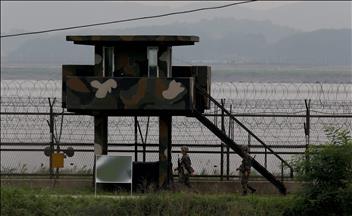
The peninsula has been in an uneasy state of truce for decades since the 1950-53 Korean War, and North Korea’s defiant march toward nuclear development has heightened regional concerns.
Even so, North Korea had nothing to do with alleged hacking attacks on smartphones belonging to South Korean officials since late last month, based on a commentary in the Sunday edition of the state’s Rodong Sinmun newspaper.
Pyongyang has consistently denied conducting cyber attacks on the South, regardless of claims to the contrary from Seoul’s intelligence agency, the NIS.
The Rodong Sinmun dismissed the NIS’ latest accusations as an effort to “cook up” an anti-cyber terror law that is currently being debated by lawmakers in Seoul.