20 February 2016•Update: 20 February 2016
By Roy Ramos & Hader Glang
ZAMBOANGA CITY, the Philippines
Two fishermen abducted in the waters of the Philippines’ troubled Muslim south have been released, but their employer remains missing with their captors demanding a ransom.
A spokesperson for Police Regional Office 9 said in a statement Saturday that Winnie Pandiag and Romeo Rubio -- kidnapped alongside their employer off the island province of Basilan last weekend -- had appeared at a coast guard station in nearby Sulu province earlier this week.
Chief Inspector Rogelio Alabata said the released men told authorities that they had been taken hostage by six fully armed men off Basilan strait after the suspects pretended to be fishermen whose boat had an engine problem.
"At gunpoint, the armed men took the fishermen to a secluded area in Sulu,” Alabata cited them saying.
News broadcaster ABS-CBN reported that the two fishermen had earlier told coast guard officials in Sulu that their boat had capsized, but later admitted -- after being sent to the predominantly Christian city of Zamboanga -- that they had been kidnapped.
They reportedly told Zamboanga police that they had been too frightened to tell the actual occurrences to coast guard officials in Sulu’s capital, Jolo, as they were unsure whether they were in a “safe place”.
Alabata also confirmed that a ransom of P1 million (around $21,000) had been demanded for the release of their employer, Ronnie Lantikse Bancale.
Their fishing vessel had been commandeered after departing from the Zamboanga peninsula last Sunday.
Bancale’s wife Marilou had earlier informed police in Pitogo town, Zamboanga del Sur province, that her husband had called her saying their kidnappers had initially demanded P50,000 ($1,055) in exchange for their safe passage before deciding on the ransom.
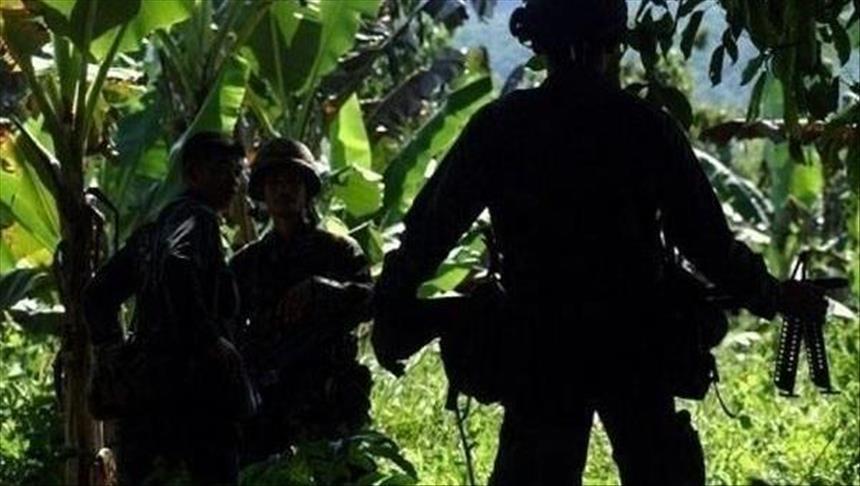
Authorities suspect the gunmen belong to a small group connected to the al-Qaeda-linked Abu Sayyaf militant group.
Kidnap-for-ransom gangs frequently operate in the Zamboanga Peninsula and the island provinces of Sulu, Basilan and Tawi-Tawi.
They use isolated sea-lanes and coastal areas to grab their victims, who are then held captive in isolated villages in the peninsula.
The kidnappers are known to hand over their captives to the Abu Sayyaf and negotiate for a ransom that, if paid, is shared with the group.
The Abu Sayyaf is still holding several captives, including two Canadians, a Norwegian and a Filipina kidnapped from a resort in September for whose release it has demanded a ransom of more than $60 million.
Since 1991, the Abu Sayyaf -- armed with mostly improvised explosive devices, mortars and automatic rifles -- has carried out bombings, kidnappings, assassinations and extortions in a self-determined fight for an independent Islamic province in the Philippines.
It is notorious for beheading victims after ransoms have failed to be paid for their release.