ISLAMABAD
By Aamir Latif
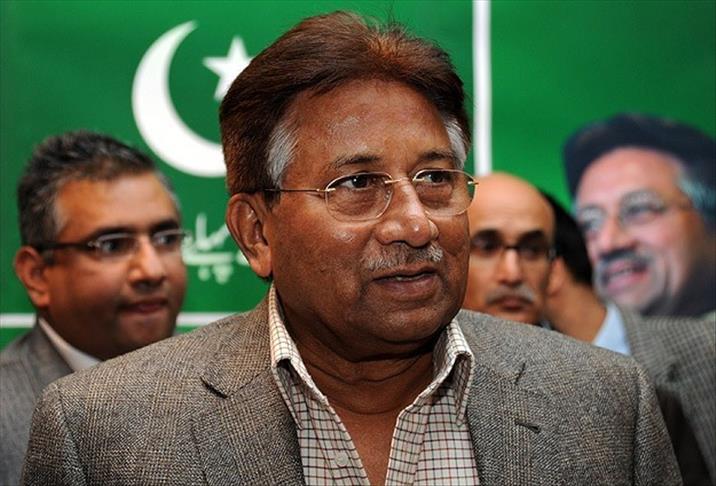
Saudi Arabia brushed aside Tuesday speculations that it was trying to broker a safe passage for Pakistan's former military dictator General Pervez Musharraf to leave the country.
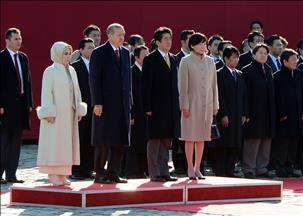
"This is an internal issue of Pakistan. We have not discussed this issue during our meetings," Saudi Foreign Minister Saud Al Faisal said while addressing a press conference along with his Pakistani counterpart, Sarjat Aziz, at the Foreign Office, adding that Saudi Arabia does not "interfere in the internal affairs of its friends".
Faisal denied speculations that he had been sent by King Abdullah Bin Abdel Aziz to negotiate a deal with the Pakistani government to allow Musharraf to leave the country.
Pakistan's former military ruler is currently being tried for high treason for imposing an emergency rule in the country on November 3, 2007, and he faces death penalty for suspending the constitution in 2007.
Musharraf (70) returned to Pakistan in 2013 after four years of exile in Dubai to run for the prime minister. He was barred from contesting the elections.
In 1999, Musharraf toppled incumbent Prime Minister Nawaz Sharif who went into exile. Sharif returned to Pakistan in 2007 and he won a sweeping victory in general elections in May last year.
Musharraf granted two-day exemption
A three-member special court trying Pakistan’s former military ruler General Pervez Musharraf for high treason, granted him a two-day exemption from appearance before the court on medical grounds on Thursday.
Adjourning the hearing of the first-ever high treason case against any martial law dictator till Wednesday, Justice Faisal Arab who is heading the special court, declared that the court would announce its ruling after thoroughly reviewing the medical report of General Musharraf who had suffered a “heart attack” on January 2 when he was on his way to appear before the bench.
Musharraf is being tried for high treason for imposing an emergency in the country on November 3, 2007 and holding the constitution in abeyance.
Analysts believe that General Musharraf, to an extent, has managed to muster up the support of army, the country’s most powerful institution, which does not want its former commander-in-chief to be “ridiculed” by courts and the civilian government.
The latest developments have raised the chances of a deal between the government and Musharraf under which the latter will stay abroad for “medical treatment”.
General Musharraf, an active swimmer and a former commando who did not have a history of heart problem, suffered a heart attack soon after he left his residence on Thursday noon to appear before a special civilian court on charges of treason.
Musharraf has continuously been avoiding appearing before the court since December 24 as his lawyers assert that their client is facing serious security threats from Taliban and other militant outfits.
Musharraf who came into power after toppling the elected government of Prime Minister Nawaz Sharif on October 12, 1999, was forced to resign in August 2008 when then the ruling party Pakistan Peoples Party and opposition Pakistan Muslim League (PML) threatened to impeach him.
The federal government in November appointed a special court of three judges to try Musharraf for high treason.
He is also facing trial in murder cases of former Prime Minister Benazir Bhutto, and former Chief Minister of Southwestern Baluchistan and a veteran politician, Nawab Akbar Bugti. He is on bail in the said cases.
englishnews@aa.com.tr