By Alex Jensen
SEOUL
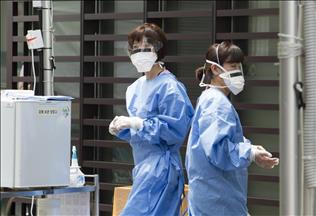
A fifth South Korean fatality from MERS was confirmed Sunday, as the outbreak gathered pace over the weekend – less than three weeks after the country first diagnosed the disease in a man who had returned from the Middle East.
The health ministry announced 14 new infections, bringing the country’s total number of cases to 64 and counting.
All but one of the deaths have occurred in people over the age of 70, including most recently a 75-year-old man who passed away Saturday.
South Korea’s fatality rate is still significantly behind the global average of around 40 percent -- though that level might be misleading because the strain of coronavirus that causes MERS only emerged three years ago, in Saudi Arabia.
Acting Prime Minister Choi Kyung-hwan attempted to quell public concern Sunday, following heavy criticism of the government’s initially lax MERS response.
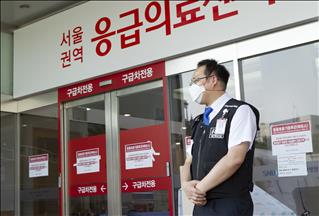
He unveiled the names of all 24 hospitals linked to the outbreak at a press conference -- the affected facilities are predominantly in the province immediately surrounding Seoul as well as in the capital itself.
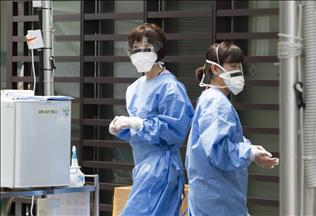
Ten of the newest cases came out of Samsung Medical Center in the famous Gangnam area of Seoul -- those infected are believed to have caught MERS while in the hospital’s emergency room late last month.
But there are no known plans to move the facility’s high-profile inpatient Lee Kun-hee, as the Samsung Group chairman has been receiving treatment there since suffering a heart attack last year.
Meanwhile, the MERS effect continues to be felt far and wide.
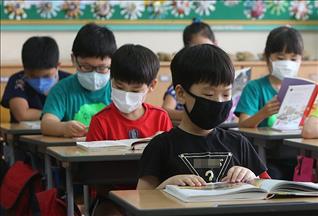
Aside from more than a thousand schools closing by Friday, the outbreak’s economic impact has prompted many analysts to worry about an unanticipated slump.
State tourism agency data shows that more than 20,000 people have cancelled trips from abroad, in addition to a dip in domestic demand.
The government is planning to support hard-hit sectors, but “this is not the time to talk about an extra budget,” according to acting PM Choi.
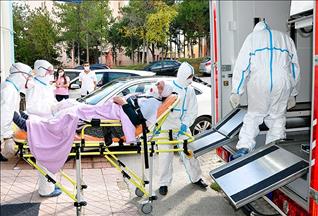
Seoul’s main source of hope is that all the infections are thought to have taken place within a healthcare setting, and that the public at large can be protected as long as isolation orders are obeyed by the nearly 2,000 people who have received them.