By Max Constant
BANGKOK
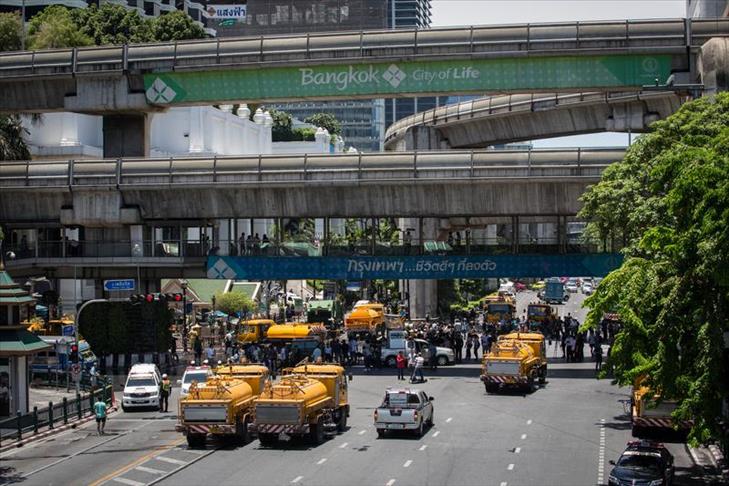
A fatal bombing in Bangkok that the junta chief has described as “the worst attack ever in Thailand” is expected to deal a serious blow to tourism, with agencies already canceling tours and foreign countries issuing travel advisories.
“Tourism will be the hardest hit sector,” the Bangkok Post quoted Supant Mongkolsuthree, Federation of Thai Industries chairman, as saying -- a view echoed by several business leaders interviewed by the daily.
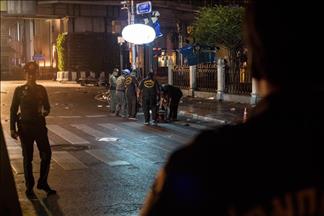
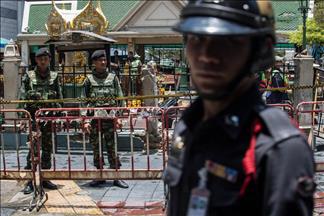
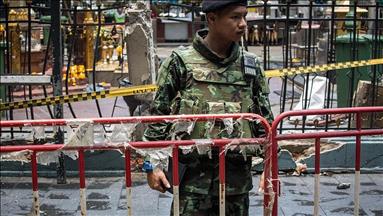
A powerful bomb shook a Hindu sanctuary frequented by tourists in downtown Bangkok on Monday evening, killing 20 people and injuring 125 others.
"Within hours of the blast, international companies were issuing bans on employee travel to Bangkok," reported TTR Weekly, an online magazine on tourism in Southeast Asia.
At least one Hong Kong travel agency company indicated Tuesday that all its Thailand tours had been canceled by the customers due to concerns following the bombing.
Several countries -- including Singapore, Hong Kong and the United States -- have also issued travel advisories to their nationals in the wake of attack.
Tourism, which accounts for 10 percent of Thailand’s GDP, has been one of the few performing sectors in a sluggish economy, drained by domestic political tensions -- Thailand has been led by a junta since a coup in May last year -- and a lagging world market.
For instance, the number of foreign tourists to the Kingdom increased by 37.6 percent in the second quarter compared to last year, while exports -- Thailand’s main growth engine -- contracted 5.5 percent during the same period.
"A loss of momentum in the [tourism] sector will present a new downside risk to economic activity," Australia and New Zealand Banking Group Bangkok said in a report released Tuesday.
The bank added that Thailand’s current account balance would become vulnerable "if tourism-related export service receipts suffer on the back of Monday’s incident and any subsequent political uncertainty."
Last week, Thailand’s planning agency the National Economic and Social Development Board had revised its growth figures for 2015 downwards from 3-4 percent to 2.7-3.2 percent given the sluggish exports figures.
Thai business leaders were nevertheless confident that the impact of the bombing on the Thai economy would be short-term, if Thai authorities managed to restore security.
"We believe any impact is unlikely to be stretched out to the fourth quarter, the annual high season," Saowanee Thairungroj, president of the University of the Thai Chamber of Commerce, told the Bangkok Post.
Two mainland Chinese -- the nationality that makes up the majority of tourists to Thailand -- were killed in the blast at the Erawan shrine while 28 others were injured.
Chinese make up 18 percent of total tourist numbers to the popular destination.
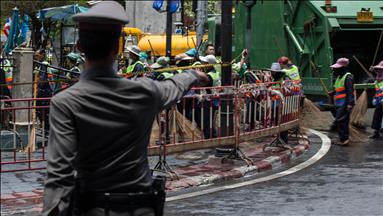
On Tuesday, Police Chief Somyot Pumpanmuang visited Bangkok Chinatown, as well as other touristic areas, to reassure foreign visitors.
Police released Wednesday a sketch of a suspect, caught on security camera before the blast, who is thought to have planted the explosive in the compound. They had earlier offered a one million baht (more than $28,000) reward for information leading to his capture.