12 May 2016•Update: 12 May 2016
LONDON
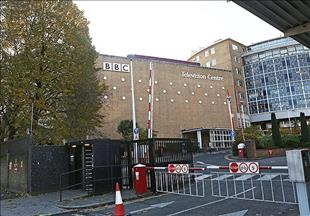
The U.K. government has announced some of the most significant reforms to the British Broadcasting Corporation in its 94-year history.
The BBC’s existing governing body – the BBC Trust – will be abolished and its regulatory function transferred for the first time to an external agency.
Ofcom, the body that already regulates commercial television and radio in the U.K., will be handed responsibility for ensuring that BBC content remains accurate and impartial.
The BBC, which is by far the largest in Britain and one of the most influential media corporation around the world, will also be required to focus on producing “distinctive content” rather than competing for ratings with its commercial rivals.
But the broadcaster’s television and radio services will continue to be funded by an annual license fee levied on households, currently set at £145.50 ($210.60), meaning it can continue to show content in the U.K. without commercial breaks or sponsorship until 2027.
Critics had feared the U.K. government was planning to reduce the broadcaster’s influence by forcing it to reduce services or share its income with rivals.
Announcing the results of his review to the broadcaster, U.K. Culture Secretary John Whittingdale said: “The BBC will operate in a more robust and more clearly defined governance and regulatory framework.
“And it will be more transparent and accountable to the public it serves and who rely on the BBC to be the very best it can possibly be, so that it can inform, educate and entertain for many years to come.”
The BBC broadly welcomed the government’s draft proposals, announced on Thursday in the House of Commons in a document known as a white paper.
The broadcaster’s Director-General Tony Hall said: “There has been a big debate about the future of the BBC. Searching questions have been asked about its role and its place in the U.K. That’s right and healthy, and I welcome that debate.
“At the end, we have an 11-year charter, a license fee guaranteed for 11 years, and an endorsement of the scale and scope of what the BBC does today. The white paper reaffirms our mission to inform, educate and entertain all audiences on television, on radio and online.”
But, Hall said, he disagreed with some of the proposals, including the number of government-appointed members to the BBC’s internal board of governors.