GENEVA
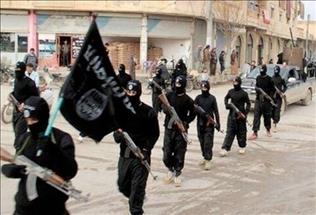
The United Nations on Wednesday warned of the growing threat of Daesh in Libya as they control territories in the country with 1,000 to 5,000 militants.
"The country is basically fragmented. There are two competing parliaments. There are several wars. You had a war in Tropoli and you had a war in Benghazi and you have the growing threat of Daesh," Claudio Cordone, Director of the Human Rights, Transitional Justice and Rule of Law Division at the United Nations Support Mission in Libya, said in a press conference at the UN headquarters in Geneva.
Speaking about Daesh, he said, "They are controlling territories. They are controlling the city of Sirte. The number varies between 1,000 to 5,000. Nobody is sure, but clearly they are capable of carrying out attacks anywhere in Libya."
Forces loyal to the Tripoli-based government have been battling Daesh in Sirte in recent weeks in a bid to regain control of parts of the city captured by the militant group.
Cordone said, "We have a humanitarian emergency in many places in the country. We have about 400,000 internally displaced people in the country just as a result of the recent fighting."
"The fighting is only going to get worse. No one is in a state to beat others," he said.
A UN human rights report released on Wednesday indicated violent attacks and threats against Libyan human rights defenders across Libya, forcing them in some cases to leave the country.
"Armed groups across the country have targeted human rights defenders seeking to shed light on and address human rights violations and abuses," the report noted.
"Those committing crimes under international law, including many detailed in the report, are criminally liable, including before the International Criminal Court," the report warned.
Libya has remained in a state of turmoil since a bloody uprising ended the decades-long rule of strongman Muammar Gaddafi in late 2011.
Since then, the country's stark political divisions have yielded two rival seats of government, each with its own institutions and military capacities.
Vying for legislative authority are the Tobruk-based House of Representatives and the Islamist-led General National Congress, which convenes in Tripoli.
The two assemblies support two rival governments respectively headquartered in the two cities.