By Alex Jensen
SEOUL
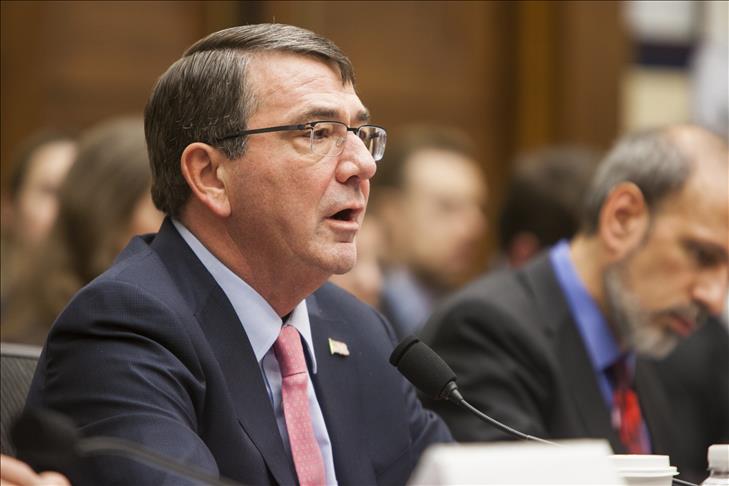
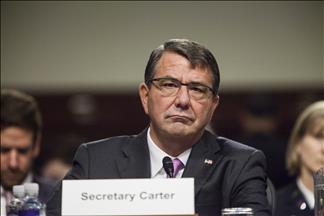
U.S. Defense Secretary Ashton Carter arrived in South Korea on Thursday, ready for talks that could influence the allies’ policy on North Korea.
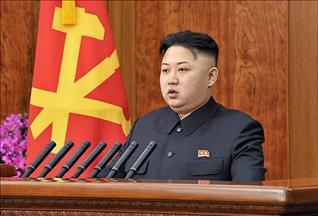
Pyongyang appears to have provided added impetus to Carter’s three-day stay, with Seoul’s defense ministry revealing earlier in the day that North Korea had fired a pair of surface-to-air missiles into open water Tuesday.
According to local broadcaster Arirang News, Carter justified Washington’s vigilance upon hearing of the North’s latest in a series of rocket and missile launches -- pointing to how dangerous the situation is on the Korean Peninsula.
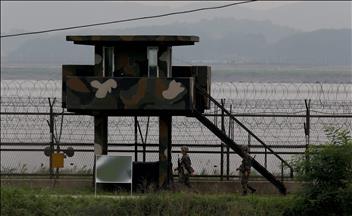
Nearly 30,000 U.S. military personnel are stationed in South Korea - a legacy of the 1950-53 Korean War.
Speculation continues to grow over whether a contentious American missile defense system, THAAD (Terminal High-Altitude Area Defense), will be deployed in the South.
China, Russia and opposition lawmakers in Seoul have all expressed concerns about enhancing Washington’s capabilities on the Korean Peninsula.
The official line from both the U.S. and South Korea is that THAAD will not be on the agenda when Carter meets President Park Geun-hye and Defense Minister Han Min-koo this Friday.
But they are expected to at least broadly discuss the threat posed by North Korea, potentially setting a new tone for missile defense amid concerns about Pyongyang’s nuclear ambitions.
Local news agency Yonhap cited a Pentagon official in reporting Thursday that the U.S. Defense Department was standing by the view that the North is able to sufficiently miniaturize a nuclear weapon to pose a threat to the American mainland.