Berk Kutay Gokmen
21 May 2026•Update: 21 May 2026
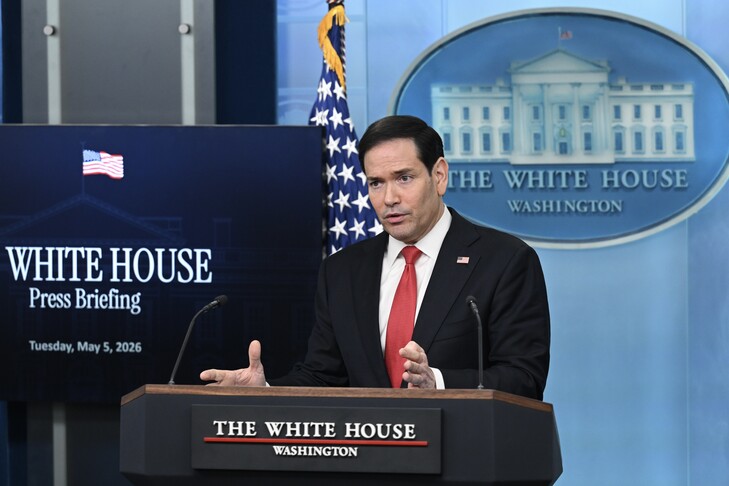
US Secretary of State Marco Rubio said Thursday that there were “good signs” in ongoing US negotiations with Iran, adding that Washington has "other options" if talks fail.
"There are some good signs,” Rubio told reporters but added: “I don't want to be overly optimistic, as well. So, let's see what happens over the next few days."
In talks with Iran, “I think we've made some progress,” Rubio said. “But obviously we're dealing with a system that itself is a little fractured.”
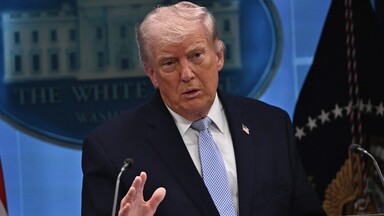
He said US President Donald Trump’s preference is to “do a good deal.”
“It's always been his preference. If we can get a good deal done, that would be great. I'm not here to tell you that it's going to happen for sure, but I'm here to tell you that we're going to do everything we can to see we can get one,” Rubio said.
“But if we can't get a good deal, the president's been clear; he has other options. I'm not going to elaborate on what those are, but everybody knows what those are. But his preference is always a deal. His preference is always an agreement. His preference is always diplomacy,” he added.
Regional tensions have escalated since the US and Israel launched strikes against Iran on Feb. 28. Tehran retaliated with strikes targeting Israel as well as US allies in the Gulf, along with the closure of the Strait of Hormuz.
A ceasefire took effect April 8 through Pakistani mediation, but talks in Islamabad failed to produce a lasting agreement. Trump later extended the truce indefinitely while maintaining a blockade on vessels traveling to or from Iranian ports through the Strait of Hormuz.
NATO foreign ministers meeting to pave way for summit in Türkiye
Asked about his upcoming meeting with NATO foreign ministers, Rubio questioned the fundamental rationale for American membership in NATO, saying allied nations that deny Washington access to military bases undermine the core argument for US participation in the alliance.
"When that is the key rationale for why you're in NATO and then you have countries like Spain denying us the use of these bases, well then why are you in NATO — that's a very fair question," Rubio told reporters ahead of his departure for the meeting in Helsingborg, Sweden.
"I don't think anybody is shocked to know the United States — the president in particular — is very disappointed at NATO right now and what it has meant," he said.
Other members of the alliance said they were not consulted before the US launched its war on Iran, adding that Iran did not seem to pose an imminent threat to the US, meaning the alliance’s collective defense did not have to be activated.
Rubio declined to preview any shifts in US force posture within the alliance, saying such decisions were not his to announce.
"Any changes to our posture in NATO would not be for me to announce — that's something that the president, the department of war would do," he said, using an alternate name for the Defense Department.
Rubio framed the Sweden meeting as preparatory groundwork for the NATO leaders summit scheduled for July in Türkiye, saying he hoped to "set the table" for that gathering by addressing the US' concerns.
"Other countries in NATO have been very helpful," he said, “but we need to discuss that — that needs to be addressed.”