Ahmet Salih Alacaci
23 June 2026•Update: 23 June 2026
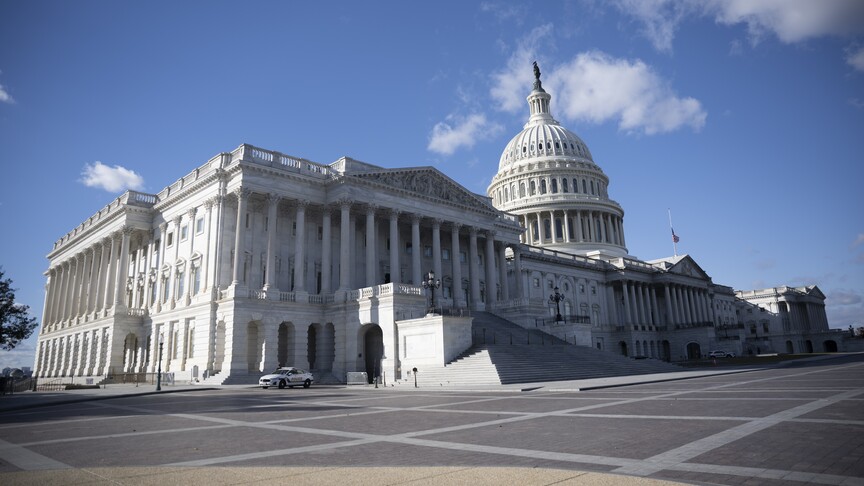
The US Senate voted 50-48 on Tuesday to adopt a War Powers Resolution directing President Donald Trump to end hostilities against Iran unless Congress authorizes further military action.
The measure, H.Con.Res. 86, was approved under Section 5(c) of the 1973 War Powers Resolution after previously passing the House.
Republican Sens. Bill Cassidy of Louisiana, Susan Collins of Maine, Lisa Murkowski of Alaska and Rand Paul of Kentucky joined Democrats in supporting the resolution.
Democratic Sen. John Fetterman of Pennsylvania voted against it, while Republican Sens. Mitch McConnell of Kentucky and Dave McCormick of Pennsylvania did not vote.
The practical impact of the measure remains uncertain as Washington and Tehran have already reached an interim peace agreement. However, the nonbinding resolution represents the strongest symbolic pushback from Capitol Hill against the war to date after nine previous votes failed to secure a simple majority needed to pass in the Senate.
The vote follows weeks of conflict that disrupted global energy markets and pushed US fuel prices sharply higher.
The Senate vote came less than a week after the Trump administration announced an interim understanding with Iran aimed at halting hostilities while negotiations toward a broader settlement continue.
The US and Israel launched military operations against Iran on Feb. 28, prompting retaliatory Iranian strikes on US assets across the Middle East. The fighting was halted under a Pakistan-mediated ceasefire that took effect on April 8.
Washington and Tel Aviv accuse Tehran of pursuing nuclear and missile programs that threaten Israel and US regional allies. Iran denies the allegations, insisting its nuclear activities are peaceful and not intended to produce nuclear weapons or threaten other countries.
On June 17, Trump and Iranian President Masoud Pezeshkian electronically signed a memorandum of understanding aimed at achieving a lasting peace agreement.
The two sides are now engaged in technical negotiations during a 60-day ceasefire, seeking to resolve disputes over Iran’s nuclear program and restore commercial shipping through the Strait of Hormuz to pre-conflict levels.