Talha Ozturk
24 November 2026•Update: 24 November 2026
North Macedonia’s Parliament Speaker Afrim Gashi discussed obstacles to his country’s European Union accession process with Croatian officials on Tuesday, as Skopje continues to seek assurances that constitutional amendments recognizing the Bulgarian minority will not lead to further bilateral demands.
Gashi met Croatian Parliament Speaker Gordan Jandrokovic in Zagreb during an official visit aimed at strengthening bilateral relations and parliamentary cooperation.
According to the Croatian parliament, Gashi briefed his counterpart on the challenges North Macedonia faces in its EU integration process.
Jandrokovic reaffirmed Croatia’s political and technical support for North Macedonia’s European ambitions and efforts to advance accession negotiations.
Following the meeting, Gashi said the two countries had reaffirmed their commitment to strengthening parliamentary and bilateral cooperation.
“We remain committed to deepening our partnership and advancing our shared vision of a stable, prosperous and fully integrated European region,” Gashi wrote on US social media company X.
He also expressed gratitude for Croatia’s continued support and experience in European integration.
Constitutional dispute with Bulgaria
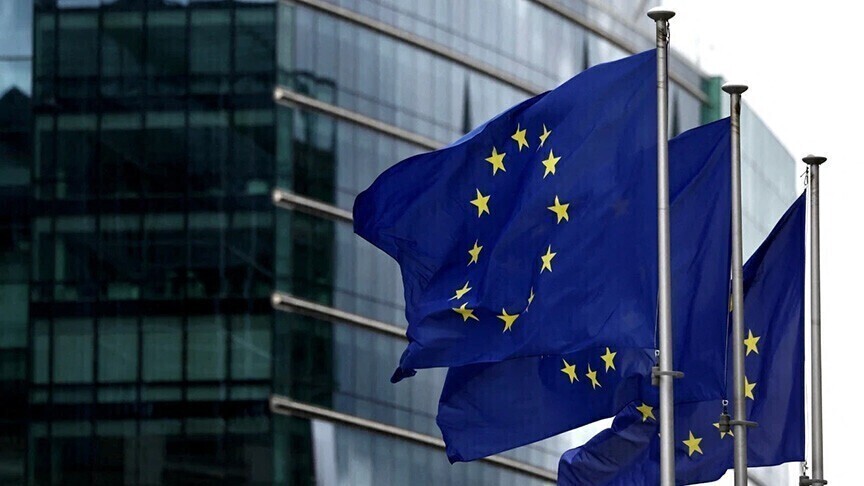
The discussions took place as North Macedonia’s EU accession process remains held up by a longstanding dispute with neighboring Bulgaria.
Under the EU negotiating framework agreed in 2022, North Macedonia is expected to amend its constitution to explicitly recognize Bulgarians among the communities living in the country.
Skopje has said it is prepared to address the constitutional issue but wants assurances that fulfilling the requirement will not be followed by additional bilateral demands.
North Macedonian officials have repeatedly raised concerns that new conditions relating to identity, language or historical disputes could delay the country’s EU membership process.
The proposed constitutional amendments require a two-thirds majority in parliament, which has yet to be secured.
Bulgaria maintains that the existing EU negotiating framework must be implemented and has opposed attempts to renegotiate the agreed conditions.
North Macedonia became an EU candidate in 2005 and formally opened accession negotiations in 2022, but progress toward the next stage remains blocked by the constitutional dispute.
The European Commission’s latest enlargement report also noted the lack of progress on the required constitutional amendments.
Croatia pledges continued support
During the Zagreb meeting, Jandrokovic described relations between Croatia and North Macedonia as excellent and friendly, both bilaterally and within NATO.
The two officials expressed readiness to strengthen cooperation between parliamentary committees, friendship groups and administrative services.
They also discussed a possible cooperation agreement between the secretariats of the two parliaments.
Jandrokovic highlighted Croatia’s role in helping North Macedonia align its institutions and legislation with EU standards.
According to the Croatian parliament, Croatia has completed 17 EU-funded twinning projects in North Macedonia, with four more underway.
The projects cover public finance, the judiciary, education, agriculture, transport and civil society.
Both sides welcomed continued cooperation on minority rights, while Jandrokovic expressed hope that the position of the Croatian community in North Macedonia would be further improved.