19 February 2016•Update: 04 April 2016
By Senabri Silvestre
SANTO DOMINGO, Dom. Rep.
The Caribbean Community (CARICOM) on Thursday announced steps to combat the spread of the Zika virus in the region, including screening measures at entry ports.
Member nations are being asked to reduce the import tax on essential public health supplies such as insecticide-treated bed nets and insect repellent for the duration of the epidemic in the region, estimated to last approximately two years.
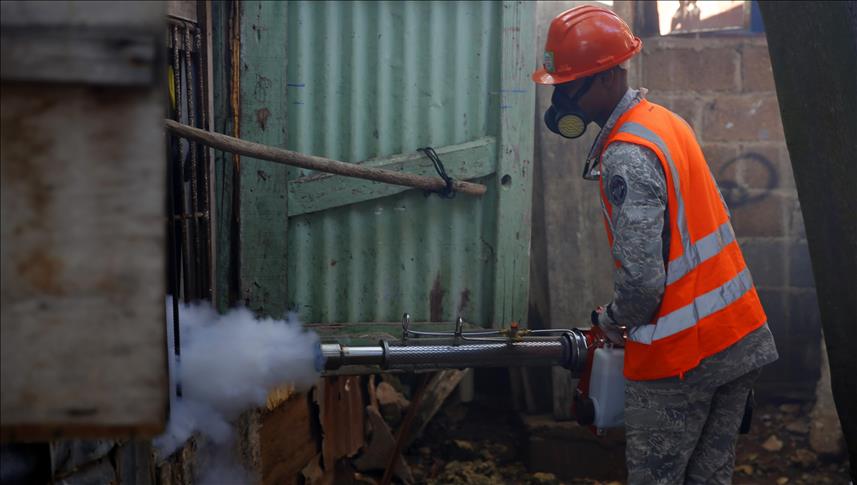
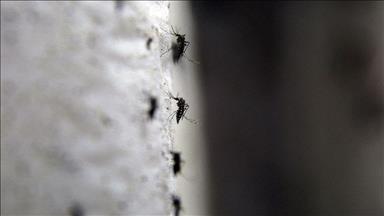
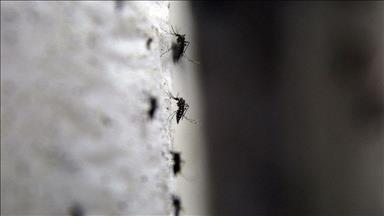
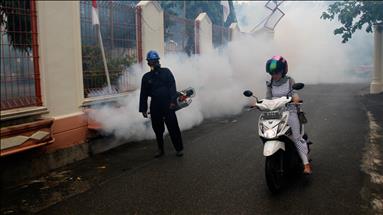
Prime Minister of Belize and CARICOM chairman Dean Barrow encouraged the group’s 15 members to spray breeding grounds for the Aedes Egypti mosquito, which transmits the virus that is now in more that 20 countries in Latin America and the Caribbean.
“We have asked to the agency of public health of the Caribbean (CARPHA) and the CARICOM Secretariat to report to the Council for Human and Social Development (COHSOD) on health, which is an organ of the Community, on the effectiveness of the course of action we’ve agreed so there will be continuous monitoring and reporting,” Barrow said.
Other actions include continuous public education, measures at health facilities, schools, private enterprises -- such as hotels and tourism facilities -- factories and other businesses.
The agreement was made at the conclusion of a CARICOM heads of government meeting in Placencia, Belize.
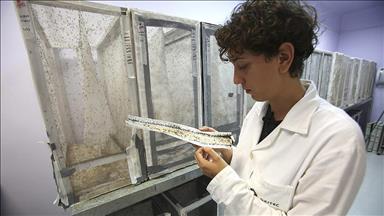
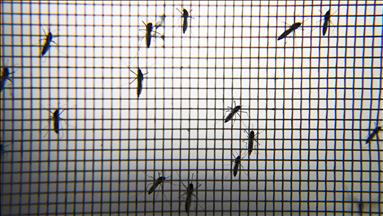
Zika is spread by the mosquito that also transmits dengue fever and the chikungunya virus.
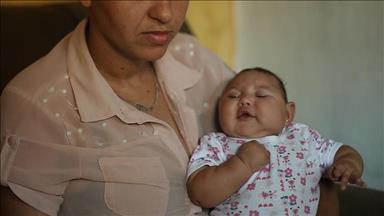
The most common symptoms are fever, rash, joint pain, and conjunctivitis, or red eyes, but the virus has been linked to microcephaly – characterized by unusually small heads and underdeveloped brains in newborns.
The World Health Organization estimates the epidemic would cost $3.5 billion in 2016.
The World Bank has offered $150 million to Latin American and Caribbean countries to combat the virus.