Barry Eitel
20 April 2016•Update: 26 April 2016
By Barry Eitel
SAN FRANCISCO
Stagnant funding levels from the U.S. government for disease prevention leaves the entire world at serious risk of deadly and expensive epidemics, according to a report Tuesday.
Addressed to lawmakers in Congress and various government agencies, including the Centers for the Disease Control and Prevention, the report was published by Global Health Technologies Coalition (GHTC), a consortium of 27 non-profits focused on accelerating the creation of new drugs, vaccines and other health tools.
GHTC found that a lack of research and development funding by the U.S. has international consequences. “Current levels of US global health R&D [research and development] financing do not match the scale of health challenges the world faces," Erin Will Morton, GHTC director, said in a statement.
“Political inaction in Washington could undermine two decades of landmark gains in global health and leave the world unprepared and unprotected against emerging health problems like Zika virus infection or antimicrobial resistance.”
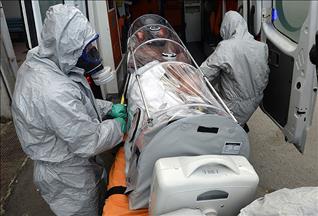
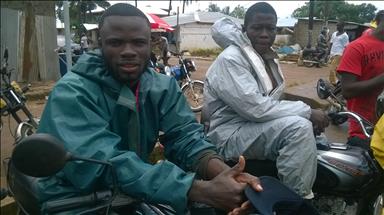
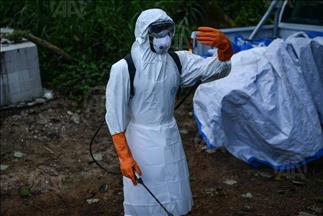
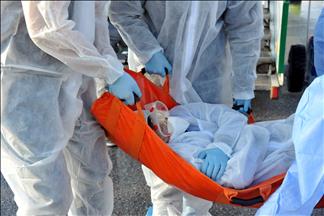
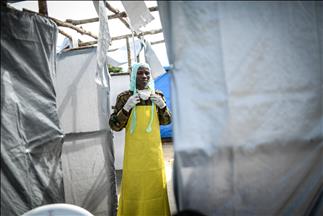
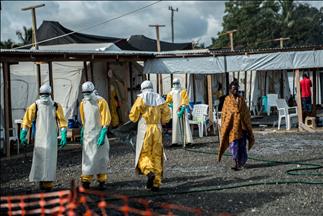
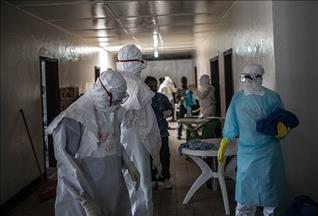
To show how sustained research and development funding is much more efficient and cheaper than emergency funding, GHTC points to the current Zika situation in South America as well as the Ebola crisis in West Africa that began in 2014.
Large-scale pandemics cost the global economy roughly $60 billion every year, the firm estimates, while global investments in infrastructure to protect against outbreaks would costs a fraction of that at $4.5 billion annually.
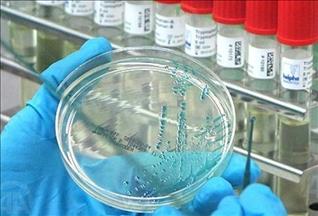
The U.S. has led in fighting outbreaks by developing the first blood test for HIV, vaccines for meningitis A in Africa and tests for drug-resistant tuberculous.
The investments have paid off. Since 1990, GHTC estimates that there has been a 53 percent decline in childhood deaths and a 45 percent decrease in maternal deaths.
The organization would specifically like to see more research into workable Ebola vaccines, malaria insecticides and cures for rare but deadly tropical diseases like sleeping sickness.
The looming generation of drug-resistant “super-bugs” also need more treatments, it says. “It is critical not to pull back U.S. investments now and put this arc of progress at risk,” Morton continued.
“As promising global health products move from laboratory testing through clinical trials, costs escalate. So with great promise and success also comes a more pronounced need for funding to see these products to the finish line."