Lina Altawell
23 November 2026•Update: 23 November 2026
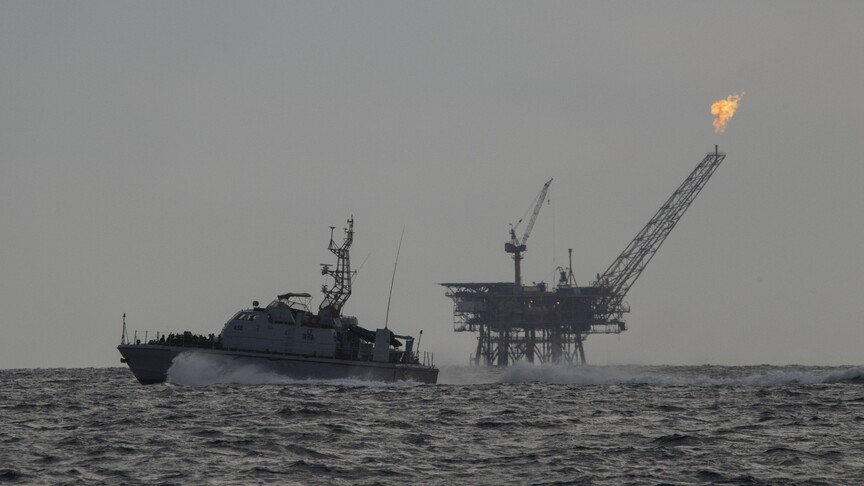
Libya’s Ports and Maritime Transport Authority warned Monday that threats to the security of the country’s ports and maritime navigation could disrupt shipping, raise transport and insurance costs and affect the flow of essential goods.
In a statement, the authority said it was closely monitoring developments that could affect the safety and security of Libyan ports and maritime traffic, warning of possible repercussions for vessel movements, loading and unloading operations and supply flows.
It said such risks could also threaten lives at sea and the marine environment, citing international obligations under the International Convention for the Safety of Life at Sea (SOLAS) and the International Convention for the Prevention of Pollution from Ships (MARPOL).
“Libyan ports are among the country’s most important economic lifelines and the main gateway for food, medicines, fuel, production supplies and other goods,” the authority stressed.
It warned that circumstances threatening port security and maritime navigation could undermine the confidence of shipping companies, cause some vessels to avoid Libyan ports or prompt shipowners, operators and marine insurers to impose additional precautionary measures.
“Such developments could result in higher shipping and insurance costs, delayed cargo deliveries and disruptions to supply chains, directly affecting the availability and prices of goods and living conditions,” it added.
The authority called for ports and maritime facilities to be protected from activities that could threaten their safety or impede their operations and urged relevant bodies to strengthen coordination to ensure secure and uninterrupted maritime traffic.
It stressed the importance of maintaining confidence in Libyan ports among shipping lines, transport companies and insurers to ensure the continued flow of goods.
“Protecting Libyan ports is a shared national responsibility,” the authority said, stressing that their security and continued operation affect not only maritime transport but also economic activity, market stability, citizens’ needs and the country’s development.
On Sunday, a Russian ship docked at Benghazi port and a Maltese cargo vessel offshore were targeted in drone strikes, according to Libyan sources and local media.
Ten people were injured in the first attack, a Libyan source told Anadolu. Local reports said the Maltese vessel’s crew had been evacuated.
Libya’s eastern-based government said late Sunday that it filed a formal complaint with the UN General Assembly and Security Council seeking an international investigation and demanded an explanation from Ukraine about its military activities in Libya.
On Monday, Ukrainian President Volodymyr Zelenskyy confirmed that Ukrainian naval drones sank the Russian corvette Merkury, destroyed a Ka-27 military helicopter and struck a Russian cargo vessel off the Libyan coast.
Libya remains divided between two rival administrations: one led by Prime Minister Abdul Hamid Dbeibeh in Tripoli, which controls the west of the country, and another appointed by the House of Representatives in early 2022, led by Osama Hammad and based in Benghazi, which governs the east and much of the south.