TRENTON, Ontario
Canada will supply 3,300 tons of uranium during the next five years to fuel India’s nuclear power reactor program under a deal signed Wednesday.
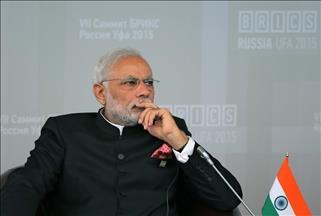
The deal, estimated to be worth hundreds of millions of dollars, was reached on the first full day of Indian Prime Minister Narendra Modi’s three-day visit to Canada.
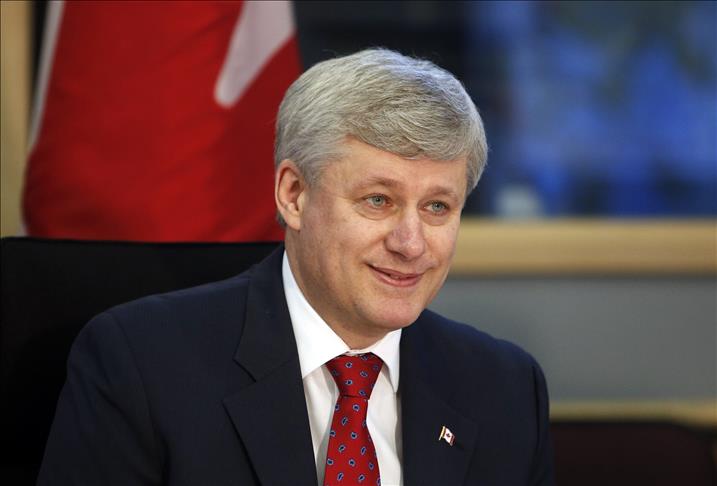
Prime Minister Stephen Harper said the agreement demonstrates that the two countries are willing to expand future trade and business.
Both men said relations between India and Canada are strong and will become stronger.
“Canada is ready to deepen co-operation with India in science, education, defense and space technology,” Harper said during a press during a joint press conference in Ottawa.
The Indian prime minister was equally enthused about co-operation between the two.
“Canada has the potential to be a key partner in every area of India’s national development strategy: energy and infrastructure, manufacturing and skills, smart cities and agro-industry and research and education,” said Modi, the first Inidan prime minster to visit Canada in 42 years.
The sale of uranium by Saskatchewan-based Cameco Corp and India is an historic change from the rancorous relationship that developed after Canada supplied India with a nuclear reactor decades ago, as detailed in a recent story in the South Asian Post.
The reactor was to be used for nuclear energy, but Canada accused India of using the plutonium that was produced to build a nuclear bomb that India tested in the Pokhran desert in 1974. The test caused worldwide shock as India entered the nuclear weapons club.
Canada retaliated by severing all nuclear assistance to India, but by then it was too late. Canada had supplied enough technology that India was able to build seven Canadian Candu-like reactors.
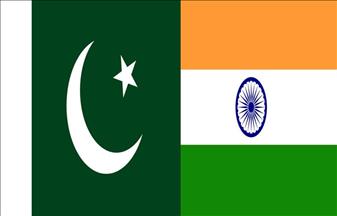
The test frightened Pakistan and that country then sped up its own nuclear bomb program.
The race between the two countries reached a peak in 1998 when India detonated five nuclear test bombs. Pakistan retaliated with six nuclear tests.
But times change.
In 2008, New Delhi was able to obtain a waiver from the Nuclear Suppliers Group after India said that in any future uranium and reactor deals it would “play by the rules,” as the South Asian Post put it.
Canada and India signed a “civil nuclear co-operation agreement” in2010 and that culminated in Wednesday’s deal in Ottawa.
While about 20 countries operate uranium mines, Canada is the world leader in uranium exports.