ACCRA
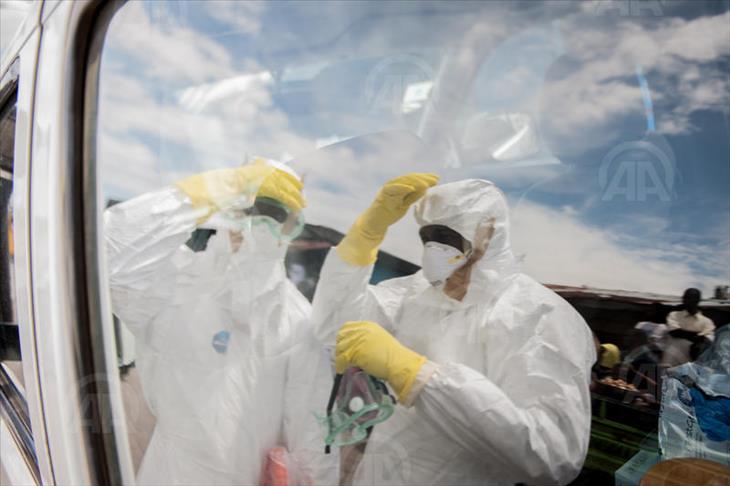
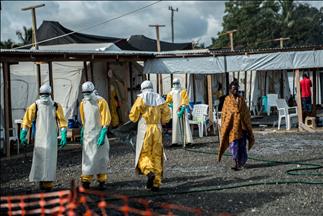
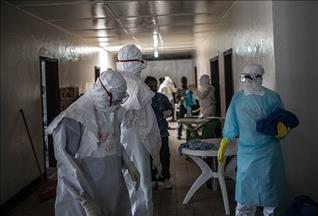
The Economic Community of West Africa States (ECOWAS) has called for a plan to support West African countries affected by the deadly Ebola virus.
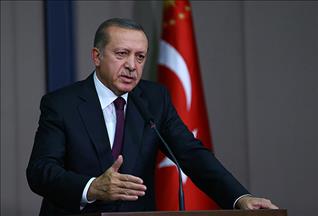
"We cannot and must not leave them [Ebola-hit countries] as the disease found them," ECOWAS Chairman and Ghanaian President John Dramani Mahama said at a one-day ECOWAS summit now underway in capital Accra.
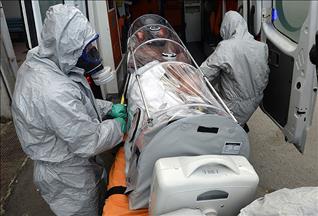
In recent months, Ebola – a contagious disease for which there is no known treatment or cure – has killed 4,818 people worldwide, according to figures from the World Health Organization (WHO).
More than 4,800 of those fatalities were registered in Liberia, Guinea and Sierra Leone alone.
The latest WHO figures, released on November 5, revised the death toll downward from an earlier 4,951.
"What is most unfortunate about the occurrence of the Ebola epidemic in the three countries… is that these were countries recovering from the effects of conflict; countries whose infrastructures were already lacking," said Mahama.
He went on to assert that leaving the three countries in their former state "would make all of our efforts and all of our assistance virtually meaningless, as it would leave these countries, once again, vulnerable and defenseless against the threat of future health crises."
A tropical fever that first appeared in 1976 in Sudan and the Democratic Republic of Congo, Ebola can be transmitted to humans from wild animals.
It can also reportedly spread through contact with the body fluids of infected persons or of those who have died of the virus.
-Inter-connected-
The ECOWAS chairman said the economy of the entire West African sub-region was at risk from the epidemic since all of its countries were inter-connected.
"The crops [in Guinea, Liberia and Sierra Leone] for this season were not harvested, and crops for coming seasons have not been planted – meaning that the suffering wrought by Ebola will last long after the epidemic has ended," he explained.
"And because the economies of all the nations in the sub-region are connected, that suffering will resound throughout all of West Africa, including countries without any recorded cases of Ebola," the Ghanaian leader warned.
He urged relevant parties to move beyond mere perfunctory discussions about the facts and figures of the epidemic.
"I would like for us to look past the data and see the faces of those affected by this disease," Mahama said.
He added: "I would like for us, in our deliberations on how best to assist these nations as they grapple with this immediate crisis, to talk about Ebola – not simply from the head, but also from the heart."
As an example, the ECOWAS chairman cited the rising number of orphans as a result of the spread of the virus.
"Liberia alone has registered more than 2,000 newly orphaned children [since the outbreak began]," he said.
Mahama went on to voice worry that orphans were not being assisted by society due to the stigma associated with Ebola.
"Whereas some children orphaned by the war have been adopted or housed in orphanages, the fear and stigma of Ebola has made these new orphans… unwanted in the homes of their extended relatives and unwelcomed in the existing orphanages," he lamented.
"While half of those infected [by Ebola] are fortunate enough to survive the experience, they are unable to return to the homes in which they once lived or to the jobs they once worked," added Mahama.
A final communiqué is expected to be issued at the conclusion of the summit meeting.
www.aa.com.tr/en