HONG KONG
Hong Kong’s government launched a second round of public consultations on political reform Wednesday amid tensions following months of protests, local media reported.
A document published by the territory's government asked for the public's views on how to achieve universal suffrage in the 2017 chief executive election, public broadcaster RTHK said.
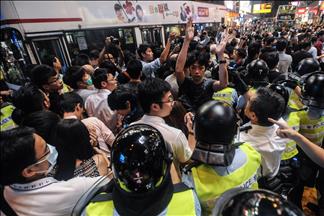
In August, the central government in China said Hong Kong voters could choose their political leader but it would screen candidates first. That decision prompted 79 days of protests and road blockades from the end of September.
On Wednesday, pro-democracy and pro-Beijing groups staged separate protests outside Hong Kong's Legislative Council building as lawmakers gathered for the consultation.
As Chief Secretary Carrie Lam began her speech in the afternoon, 27 pan-democrat lawmakers opened yellow umbrellas - the symbol of the recent protest movement - and walked out of the chamber chanting “I want genuine universal suffrage.”
The South China Morning Post quoted Lam as telling the council: “Adopting a negative and uncooperative attitude, or even taking confrontational acts… would only aggravate social conflict and internal attrition, and cause harm to the… well-being of the whole society.”
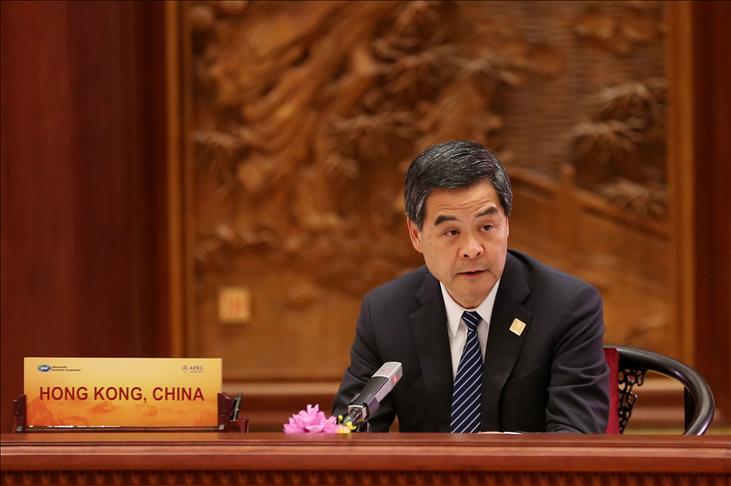
In a statement released later, Chief Executive Leung Chun-ying also called on pan-democratic lawmakers not to “hastily deprive the five million eligible voters of their opportunity to select the chief executive by universal suffrage.”
Benny Tai, an academic who is among the organizers of last year's protests, has expressed the unlikelihood of the proposals in the consultation document persuading pro-democracy lawmakers to change their minds about voting against them.
Tai, a founder of the Occupy Central movement, also denied having plans to carry out any protests during the consultation period.
However, the Federation of Students’ Deputy Secretary General Lester Shum told RTHK the student group might protest against pro-Beijing lawmakers, without ruling out the staging of sit-ins.
Meanwhile, on Monday, the justice department applied to formally charge 20 activists with obstructing bailiffs at the Mong Kok protest camp in November.
Dozens of other protest leaders - including Tai and student leader Alex Chow - have been requested to turn themselves in to police.
Leung has warned against further protests, saying that "coercive actions" would not influence government policy. He reiterated the government's unyielding line that the voting method in 2017 would have to comply with the Basic Law, the territory's mini constitution, and the decisions of the government in China.
Analysts have said they see the public consultation as a public relations exercise designed to create semblances of democracy and public accountability.
The former British colony returned to Chinese rule in 1997 under the “one country, two systems” formula, which promised a high degree of autonomy from Beijing, including universal suffrage.
www.aa.com.tr/en