By Max Constant
BANGKOK
An international rights groups called on Thailand’s military regime Friday to end judicial harassment of human rights lawyers defending their clients, underlining that such actions constitute a breach of United Nations-sanctioned principles.
“The Thai junta is not only running a police state, it is now retaliating against the lawyers who are defending victims,” Human Rights Watch’s Asia director said in a statement.
“Thai authorities should stop using bogus prosecutions to intimidate lawyers who challenge the government’s abuse and misconduct,” Brad Adams added.
The statement was released after a series of legal charges were filed by Thai authorities against human rights lawyers since the beginning of the year.
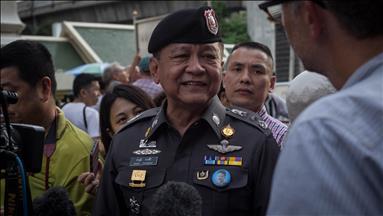
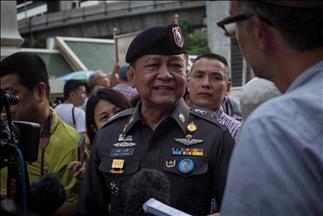
On Feb. 19, Thailand's deputy national police chief, General Sriwara Rangsipramanakul, threatened to file charges of defamation and false accusations against Chuchart Kanpai, who is defending one of the suspects in an August bombing in Bangkok that killed 20 people.
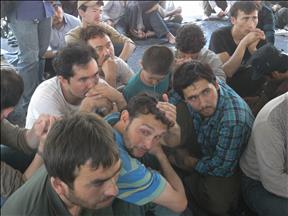
Kanpai alleged on Feb. 15 that his client, a Uighur man named Bilal Mohammad, had confessed to the crime after being tortured while in detention.
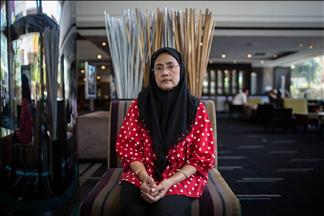
On Feb. 9, police charged Sirikan Charoensiri, a human rights lawyer defending 14 anti-junta students, with “police harassment and making false accusations” after she filed a complaint against police for illegal seizure of her car.
The charges are related to an incident in June last year, when Charoensiri had refused to obey police officers’ order to open her car’s door and allow them to seize her clients’ mobile phones, because the officers did not have the legally required search warrant.
After police seized her car, Charoensiri -- a member of the Thai Lawyers for Human Rights Center, founded immediately after the May 2014 coup to defend victims under the military regime -- filed a complaint of malfeasance.
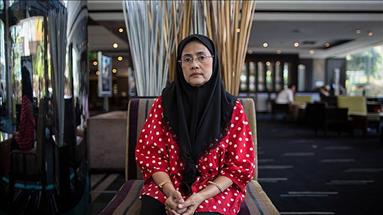
In an interview with Anadolu Agency last month, she described the authorities’ actions against her as “a way to set an example for other lawyers who would come out and defend this kind of high-profile critics”.
“The fact that I filed charges against them really make them upset, because it is challenging their power,” she added.
On late January, police had brought charges of defamation and false statements against another lawyer, Benjarat Meethien, after she said authorities used false evidence to accuse her client, Thanakrit Thongngernperm, of plotting an attack during the Dec. 2015 “Bike for Dad” cycling event to commemorate King Bhumibol Adulyadej’s 88th birthday.
Officials initiated the charges after Meethien refused to withdraw complaints against General Wijarn Jodtaeng, chief legal officer of the junta, and senior police officers for malfeasance, defamation and making false accusations against her client.
Since the 2014 coup, around 800 activists, academics, journalists and politicians have been summoned by the junta to undergo “attitude adjustment sessions” in military camps, usually for a maximum seven days period as authorized by the martial law.
All political meetings, demonstrations and many academic seminars related to politics, human rights or history have been banned.
Students critical of the military regime have repeatedly been arrested, but are usually released shortly after.
Charges of sedition have been brought against several of them.
According to a report released last month by the Paris-based International Federation of Human Rights, the number of people detained for lese-majeste cases since the coup has multiplied nine-fold since the coup.
Thailand’s lese-majeste law, one of the harshest in the world, punishes “whoever defames, insults or threatens the King, Queen, the Heir-apparent or the Regent” with imprisonment of three to fifteen years.
In this context, some human rights lawyer have undertaken a more active role in defending Thai citizens against alleged rights abuse by the junta, as most other lawyers don’t dare to take on such cases.
“Thailand’s post-coup human rights crisis seems to have no end in sight,” Adams said in Friday’s statement.
“Instead of upholding the rule of law, the junta is undermining it by prosecuting lawyers for doing their jobs defending clients and reporting abuses by the authorities."
The United States-based rights group underscored that judicially harassing human rights lawyers is a breach of the United Nations Declaration on Human Rights Defenders, which prohibits retaliation, threats and harassment of anyone who takes peaceful action against human rights violations.