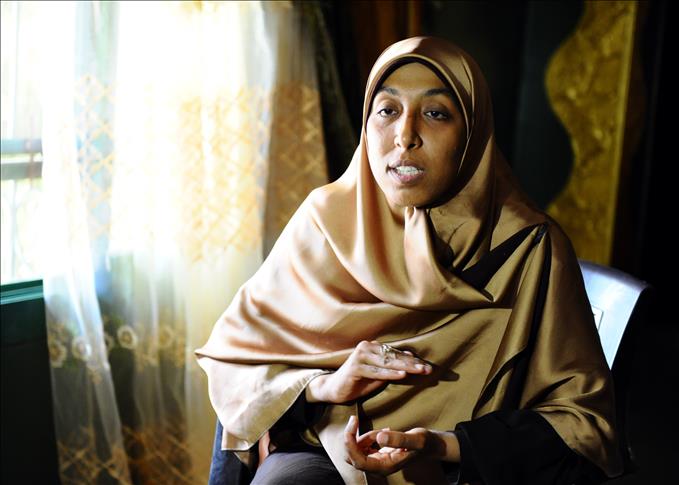
Heba Zakariya, the Anadolu Agency correspondent who was at the heart of Saturday's standoff between Egyptian security forces and supporters of ousted President Mohamed Morsi holed up inside a mosque in Cairo's Ramses Square, described the entire experience as "the toughest" of her career.
Released after eight hours of detention in the heavily-fortified Tora Prison, Zakariya spoke about the harrowing experience that began with an ordinary trip to Cairo's central Ramses Square to cover the protests staged by Morsi supporters.
"When I arrived to the site, I realized there was more than one story worth writing about," she recalled.
However, as clashes erupted and violence overwhelmed the sprawling square, many protesters took refuge at the Fath Mosque -- one of Cairo's largest mosques -- for protection and treatment of injuries sustained in clashes with security forces.
A makeshift hospital was swiftly installed to receive the wounded -- along with the bodies of the slain protesters.
"I headed to the Fath Mosque to cover the situation. There were many dead bodies and victims inside the mosque," she recounted.
When protest organizers called it a day and announced their withdrawal from the square, there were many inside the mosque who refused to go home and leave behind those who had been injured, many of them seriously.
"I remember an 11-year-old child whose intestines were coming out after being shot with a sniper bullet," she said tearfully.
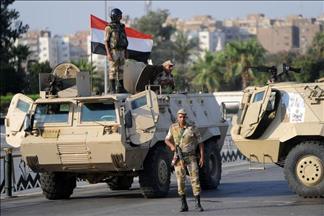
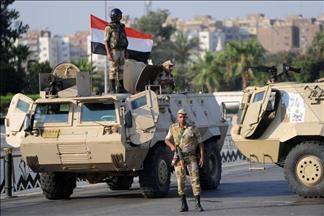
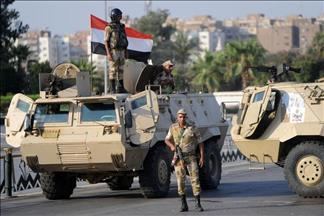
"Soon after, army vehicles, police forces and helicopters surrounded the place and tried to drag the protesters outside by force. At this moment, we thought a massacre was likely to follow," Zakariya said.
As security forces tightened control over the entire square, they slapped an overnight siege on the mosque.
Protesters feared they would be attacked by thugs and hostile locals if they left, opting instead to stay inside the besieged house of worship.
When the 7 pm-6 am curfew ended, security forces moved in to clear the mosque of protesters -- that was the most difficult moment of the day for Zakariya.
"Army and police forces started to escort the protesters, including 33 women, outside the mosque amid insults from thugs standing outside," she recalled.
"As protesters hurried into the prisoner transport vehicle outside the mosque, they were subject to beating by the thugs," she added. "I was punched in the face, arms and legs before making it to the vehicle."
"I felt they were monsters who wanted to terrorize and humiliate us because we defend freedom and want to convey the truth," she noted.
Zakariya was then taken to Tora Prison in southern Cairo, along with the others taken from the mosque, including Metin Turan from Turkish state broadcaster TRT.
"Turan was beaten by the soldiers and officers escorting him. One even asked him, 'what are you doing here joining the protesters? Go to your country and protest in Taksim!'" Zakariya recalled, referring to a central Istanbul square that recently saw anti-government protests.
In prison, the AA correspondent went through another round of suffering.
"The men were subject to physical torture, while women were treated roughly by the soldiers who made threats against them if they didn't comply," she remarked.
Zakariya spoke as "At 2:30 am, we were notified that women would be released. Moments later, a prisoner transport vehicle arrived and took us to Al-Azhar Mosque where we stayed until our relatives came to take us home."
"They were the toughest 30 hours of my career," she concluded.