21 April 2016•Update: 22 April 2016
ANKARA
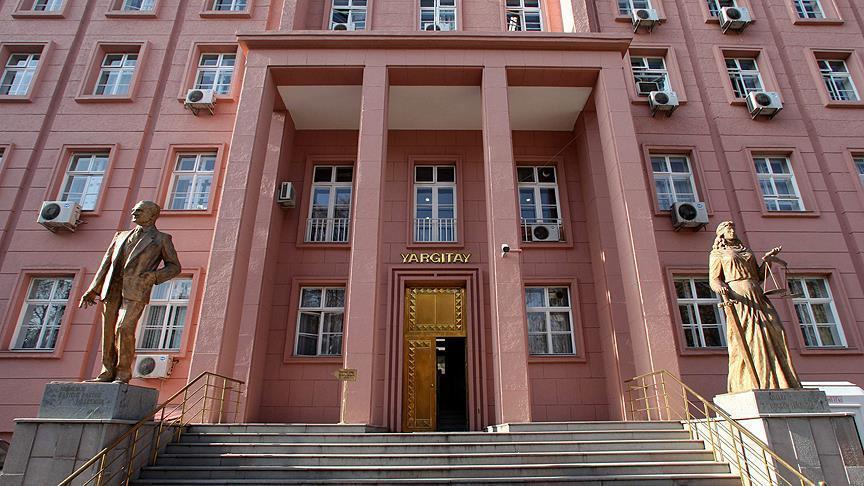
Turkey's Court of Appeals in Ankara on Thursday rejected a 2013 Istanbul criminal court’s ruling on the alleged Ergenekon military coup case.
The appeals court, also known as Yargitay, ascertained that there were several contradictions in the case, including in the formation of the local court, investigation, trial, evidence collection and fair hearing for the accused.
According to the court’s ruling, "There is no incidence of admission of 'Ergenekon terror organization' by the local court, it remains unclear who formed it [the alleged terror group], when [was it formed], failure of revealing its crimes and hierarchical structure, and its leader is also unknown."
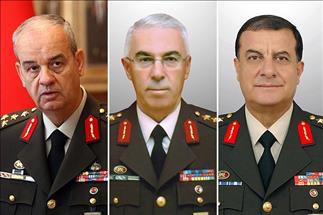
Turkey’s former military chief Ilker Basbug had been accused of being part of this alleged “deep state” organization; however, the appeals court determined that Basbug's objection to his trial at the Supreme Criminal Tribunal, also known as Yuce Divan, was justified.
In addition, the appeals court said the local court had failed to show "legal and actual links" between an armed attack at the Council of State, also known as Danistay, and the Ergenekon case.
In May 2006, an assailant named Alparslan Arslan carried out an armed attack at the Council of State's Second Office, killing a judge and wounding four others.
The Ergenekon probe dates back to 2007 when a cache of explosives was found at the home of a former military officer, which was tied by state prosecutors to what they claimed was a much bigger conspiracy.
The Ergenekon case was then filed seven years back against 274 people, including military officers, politicians and journalists over an alleged conspiracy to overthrow the ruling Justice and Development (AK) Party government.
In April 2014, a Turkish court officially described the alleged Ergenekon network behind the attempt to topple the Turkish government as an "armed terrorist organization" for the first time, which was also accused of operating as a "deep state" within the Turkish Armed Forces.