By Charles Newbery
BUENOS AIRES, Argentina
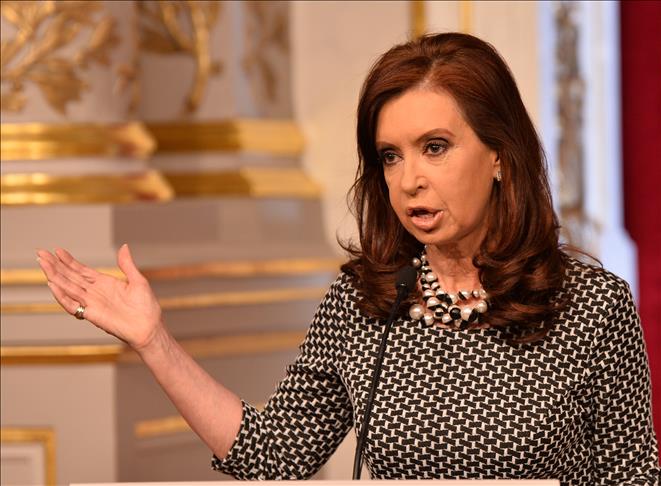
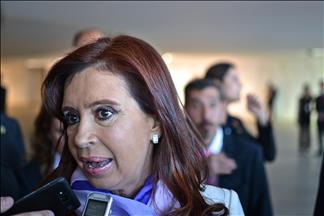
President Cristina Fernandez de Kirchner suspended a meeting scheduled for later this week with her Chilean counterpart after being admitted to the hospital Sunday with a fever, a spokesman said Monday.
Fernandez de Kirchner was taken to the Otamendi Clinic in Buenos Aires with “an infectious fever,” according to a statement Sunday signed by doctors Marcelo Ballesteros and Ricardo Solla.
Jorge Capitanich, the president’s chief of staff, said during a televised press conference Monday that doctors would provide an update later Monday.
The president is expected to go on bed rest to treat the infection for two or more days after being released from the hospital, the Clarin and La Nacion newspapers reported Monday.
The 61-year-old Fernandez de Kirchner was due to meet with President Michelle Bachelet, in Buenos Aires on Tuesday for bilateral talks and a videoconference with Pope Francis.
The meeting will be rescheduled for later this month, presidential spokesman Alfredo Scoccimarro said in a statement.
This is the latest health problem for the president, who in July was out for two days due to a sore throat and laryngitis, and then again for two days last month for laryngitis. Beginning in October last year, she took six weeks off after suffering an intracranial hematoma following her party’s wider-than-expected loss in the October midterm congressional elections.
Fernandez de Kirchner has been in office since 2007 and will end her second four-year term in December 2015, unable to seek a third consecutive term because of constitutional limits.
Her presidency has produced more social welfare programs for the poor as well as progressive reforms like gay marriage and the broadcasting of football matches for free instead of on pay television. But her two terms have been marked by high inflation and rising state intervention in the private sector as well as clampdowns on personal freedoms such as the purchase of dollars and how much Argentines can spend on local credit cards when traveling abroad.
Her administration is trying to sustain foreign-currency reserves as a main source of funds for servicing the national debt, paying for imports and financing a now-widening fiscal deficit. The country fell into default for a second time on its foreign debt earlier this year after a $100 billion default in 2001.
Also this year, the economy fell into recession after a decade of strong growth, and a recovery isn’t expected until at least 2016, possibly marring her party’s chances to sustain power in the October 2015 presidential election.
www.aa.com.tr/en