By Mainul Islam Khan
DHAKA, Bangladesh
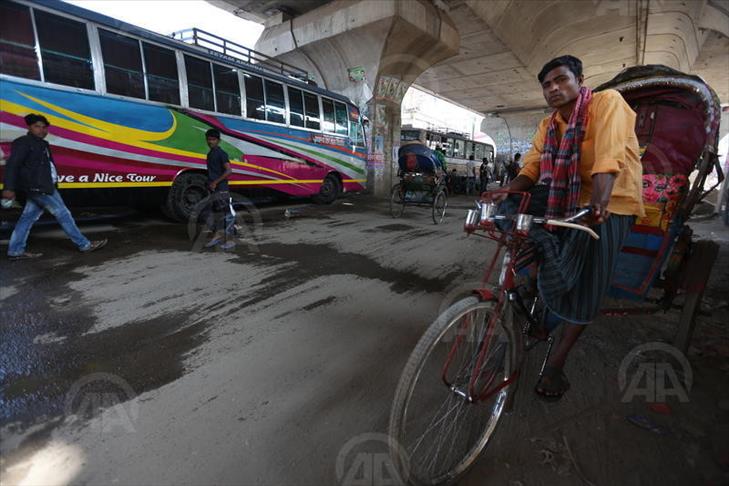
Every morning for the past month 50-year old bus driver Mohammad Badal has gone to the bus stand in Bangladesh's capital Dhaka, taken care of his bus and then spent the day sitting idly.
A rolling nationwide transport blockade imposed by Bangladesh's political opposition on Jan. 5 has deprived him completely of work and income.
"I have very small savings, which I have spent already and, at the same time, I couldn’t earn a single penny for the last month but my family expenses did not stop," says Badal, who usually spends 25 days in a month driving a coach to maintain his family of five.
"I am worried for the next month, what would happen if the blockade continues?" he sighs.
At least 5 million transport workers across the country are in the same condition. Most receive their daily wage only if their bus runs, which is an uncertainty in Bangladesh given the regular enforcement of often violent nationwide and regional shutdowns, known as hartals.
The most recent instability began on Jan. 5, when the opposition Bangladesh Nationalist Party, it claims, was prevented from holding protests to mark a year since controversial 2014 general elections, which it had boycotted over purported vote-rigging fears.
Some companies have provided their workers with small allowances during the now month-long blockade but others are struggling to meet their daily expenses.
"Coach staff are effected largely as they get paid on a duty basis and the company has to bear the loss of paying out bank loans, without earning any Taka," says Abdus Sattar, the general manager of premium transport company Green Line. "This loss is irrecoverable."
The blockade, which has been enforced with petrol bomb attacks on buses, has also impacted the small businesses that spring up around Bangladesh's crowded bus terminals.
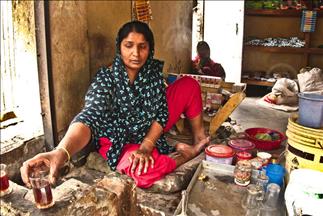
Manzarul Islam used to open his snack stall at the Kamalapur bus stop in Dhaka at 6 a.m. every morning, with busy trading guaranteed from the moment he set up. Since the blockade began, he no longer feels the hurry to open so early.
"My sales depend on the flow of passengers and sales are now almost nothing due to lack of passenger-flow here,’ says Mazarul. "Not only me, all small businessmen here have been affected."
"I make my living on this money but the small sales are affecting my earnings. I have to pay shop rent and house rent too from these earnings. I don’t understand how I can recover this loss," he says.
At least 50 people have died in the past month of instability, mostly in daily petrol bomb attacks that have damaged or destroyed more than 800 buses defying the transport blockade.
More recently, social media users have also posted images of crude spikes, made of bent nails, laid on roads to puncture vehicle tires and force drivers to lose control.
"I just saw a bus set on fire in front of me on the Dhaka–Sylhet highway on Sunday, I am panicked because I am responsible for the lives of the passengers on my bus," says another driver, named Abu Taleb.
"My income has dropped one fourth for this blockade," he says. "I am risking my life as well just to meet my family's expenses."