Car bomb injures 13 in Thai south
Police believe separatist insurgency plaguing Muslim South might be behind the bombing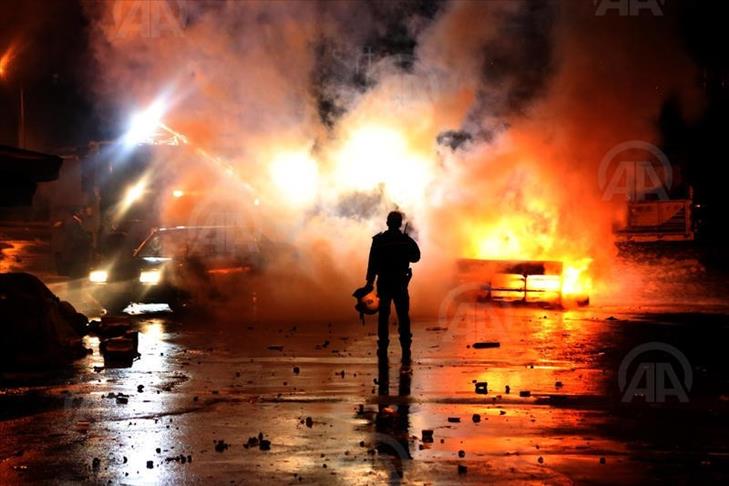
BANGKOK
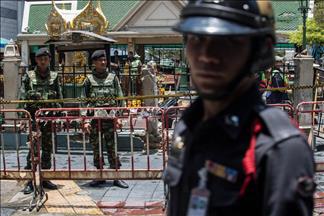
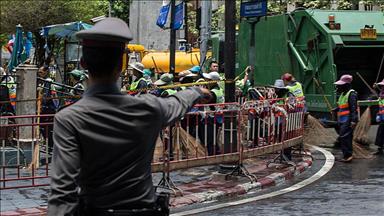
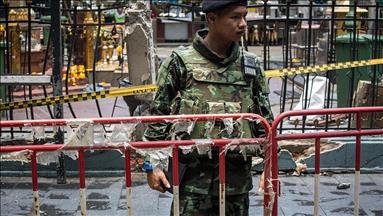
A car bomb exploded in Thailand’s Muslim south Friday, injuring 13 people and destroying several shops and houses in downtown Narathiwat city, according to local police.
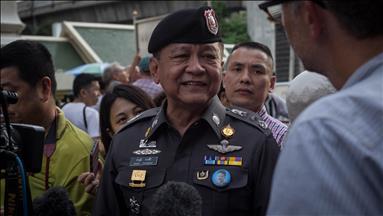
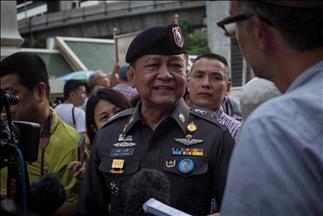
Police Colonel Manit Yimsai, chief of Narathiwat police, told The Anadolu Agency that “the bomb exploded at around 1 p.m. (0600GMT) in front of a karaoke bar along Na Nakorn road."
"Only the steel frame of the car is left,” he added.
Police believe that a separatist insurgency plaguing the region might have been behind the bombing.
The city is the capital of Narathiwat province, one of three southern provinces -- where 80 percent of the population is of Malay Muslim origin – that have been facing a rejuvenated separatist insurgency since January 2004. The conflict has seen more than 6,000 people killed – mostly civilians - and around 11,000 injured.
The area was an independent Islamic sultanate with great religious influence in the Southeast Asian Muslim world until it was incorporated into greater Siam after a 1909 Anglo Siamese agreement.
Great Britain was then the colonial master in Malaysia and exerted a degree of control over the region.
From 1938, a virulently nationalistic campaign organized by the government of Field Marshall Phibulsongkhram tried to impose Thai cultural norms on Malay Muslims, who reacted by asking for some degree of political and cultural autonomy.
Events, however, took a turn for the worse in the 1960s, when military dictator Field Marshall Tarit Sanarat attempted to control Islamic boarding schools, locally known as pondoks.
Several Muslim groups took up arms and started a guerrilla war against the Thai state.
The situation quietened down at the end of the 1980s and the “Southern problem” was considered solved. However, in January 2004, a new wave of attacks against Thai military, police and Buddhist monks shook the Thai government.
The civilian government of former premier Yingluck Shinawatra began a process in 2013 to restart peace dialogue with the insurgents, but it was overthrown in a coup last May.
In the wake of the May 22 coup, the Thai junta announced its will to continue the dialogue, but no date has been fixed. Some insurgent groups, however, are reluctant to join as political autonomy has been excluded from the talks.