By Jaiden Coonan
YANGON
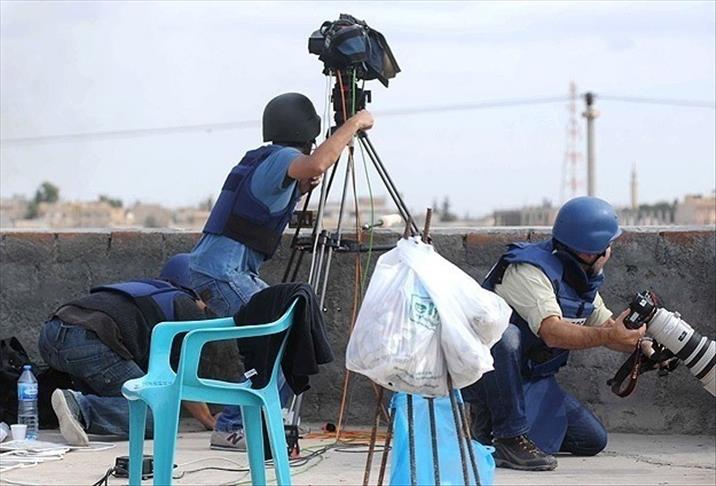
Myanmar has placed ninth in a Committee to Protect Journalists (CPJ) list of the world’s most censored countries, after a year that has seen it imprison, beat and deport local and international reporters, and be accused of murdering one of its own.
Eritrea, North Korea, and Saudi Arabia led the list, which was based on research into the use of tactics ranging from "imprisonment and repressive laws" to "harassment of journalists" and "restrictions on Internet access."
Seven of the 10 -- Eritrea, Ethiopia, Azerbaijan, Vietnam, Iran, China and Myanmar -- also figured in a top 10 of the worst jailers of journalists worldwide, according to the Committee’s annual prison census.
The report -- a full version of which will be released Monday -- highlighted that Myanmar had fallen foul with its Printers and Publishers Registration Law.
Enacted in March 2014, the law bans news that could be considered insulting to religion, disturbing to the rule of law, or harmful to ethnic unity.
The CPJ stated on its website that other harsh measures include Myanmar's national security-related laws, "including the colonial-era 1923 Official Secrets Act,” which is used to threaten and imprison journalists who report on sensitive military matters."
In Oct. 2014, a prominent local journalist died in military custody under suspicious circumstances, while five more reporters were imprisoned for covering a story on chemical weapons factory in July.
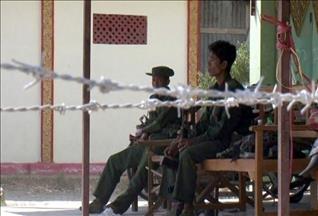
In March this year, police also beat and imprisoned student protestors, amongst them journalists accused of protesting. Information Minister and presidential spokesperson U Ye Htut said journalists needed to clearly identify themselves, as those imprisoned had been released after detention, but on supplying police with identification.
Myanmar immigration officials also deported two Spanish photographers in February during coverage of student marches.
On Thursday, Yangon-based journalist Han Thar told The Anadolu Agency that he’d recently been intimidated by plain-clothed government officials who claimed to be "fans" of his Kamayut Media website.
He said they barged into his office during the student clashes wanting to see how they reported on "football"
“We don’t cover football,” he said, yet they still forced their way in.
"Now we have to padlock our front gate at all times and make sure we know who is coming to our office,” he added.