BANGKOK
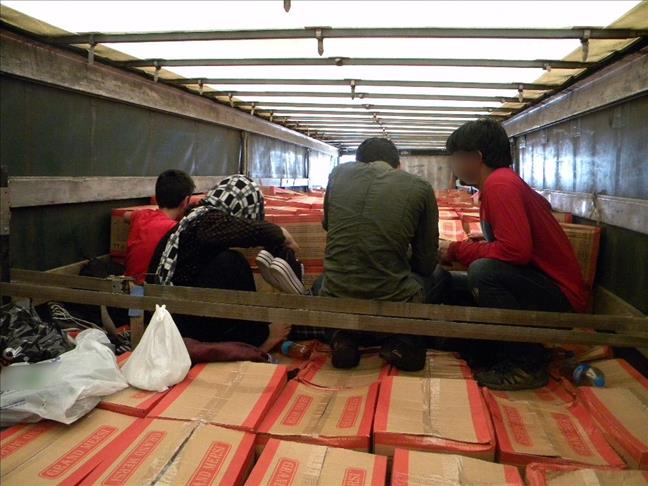
Thailand’s military-appointed parliament has overwhelmingly passed amendments to its anti-trafficking law to require harsher punishments on human traffickers.
The National Legislative Assembly approved the amendment bill 160-3 with three abstentions during its third reading Thursday, the Bangkok Post reported.
According to the changes, those convicted of human trafficking violations can face life imprisonment if a victim is killed as well as fines of up to 400,000 baht.
In the case of a victim suffering severe injury, prosecutors can seek sentences of eight- to 20- years in prison and fines of 160,000-400,000 baht (around $4,900-12,300) for those responsible.
The law will be supervised by a prevention and suppression committee under the leadership of the prime minister, according to the Post. Common offenders including factories and the fishing industry will undergo tougher inspections, and If human trafficking is found, authorities will be able to immediately order a temporary pause to operations and suspension of licenses.
The amendments also include measures to encourage cooperation with anti-trafficking authorities, who will provide protection for witnesses who supply clues that assist in trafficking cases. Witnesses – even those with involvement in initial stages of an offense -- will not be subject to civil and criminal charges.
The changes, proposed by the Social Development and Human Security Ministry, will go into effect upon their publication in the Royal Gazette.
Last year, Thailand was ranked lowest in the U.S. Trafficking in Persons Report, with the fishing industry cited as a major source of concern.
Conditions aboard Thai fishing vessels are notorious with numerous reports detailing human trafficking, debt bondage, physical abuse, non-payment of wages, confinement, 20-hour working days and even the murder of workers, the letter noted.
The 89. 6 billion baht ($2.7 billion) fishing industry is vital to the Thai economy and employs more than 300,000 workers, around 90 percent of whom are migrants from Myanmar and Cambodia often not registered to work legally in Thailand and therefore vulnerable to abuse.
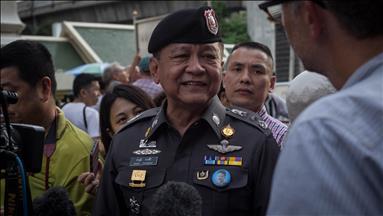
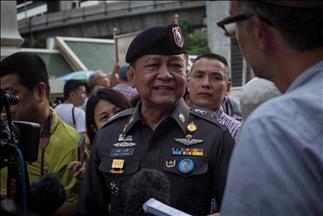
Police Gen Adul Sangsingkeo, Thailand’s social development and human security minister, had earlier said penalties under existing law were not sufficient to combat the worsening state of human trafficking.