Ekip
27 September 2015•Update: 27 September 2015
By Alyssa McMurtry
MADRID
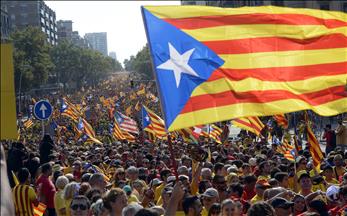
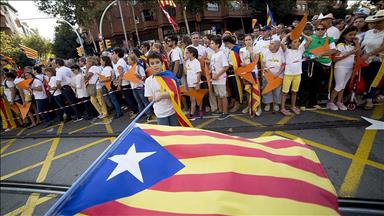
Polls opened in Catalonia on Sunday for a regional election that could be the first step to independence from Spain.
While the vote is not a referendum, an alliance of Catalan separatists has vowed to declare unilateral independence within 18 months if they receive enough support.
At the same time, the government in Madrid has repeatedly said any action towards independence is illegitimate and has promised to block it in court. In the past, the government has shut down attempts to hold a referendum on independence, saying it would violate the constitution for one region to make a decision that would affect the whole country.
Despite this, independence has been the focus of the campaign and polls have suggested a victory for the separatist parties is likely.
The Together for Yes is the most powerful pro-independence coalition and is led by Artur Mas, the current president of the Catalan region.
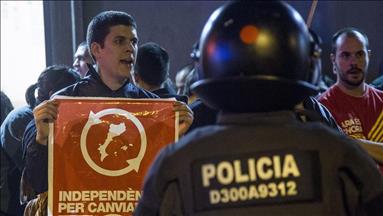
Another separatist group, the Popular Unity Candidacy (CUP) also seeks independence from Spain but is more radically left wing.
The two groups have said they would view an absolute majority - 68 of 135 regional assembly seats - as a popular mandate to initiate moves towards independence. The CUP has added the caveat that the parties should also receive the majority of votes, not just seats, before the process begins.
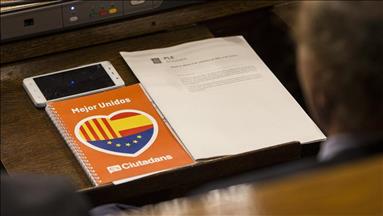
The unionist vote is split between several political parties, including Prime Minister Mariano Rajoy's Popular Party.
Close to 2,700 polling stations close tonight at 8.00 p.m. local time (1800GMT), when the 5.5 million voters in Catalonia as well as Spaniards in general will be on tenterhooks as they await the result.
Catalonia, one of Spain's richest and most industrialized regions, has a population of around 7.5 million people.
It has been part of Spain for more than 500 years but due to a distinct culture and language, combined with complaints that Madrid treats the region unfairly, the independence movement has steadily grown over the last decade.
If the separatists fail to win an absolute majority, it will be a clear victory for the unionists and a devastating defeat for the pro-independence movement.
A separatist victory in terms of seats but a failure to secure the majority of votes would leave Together for Yes facing a decision on whether to plough ahead with the independence process alone - something that would leave it open to the CUP’s demands in the assembly as well as claims that it does not command a true mandate.
However, a resounding “Yes” vote would start the secessionist ball rolling, leading to institutional instability and fierce negotiations between Barcelona and Madrid, as well as with the EU. These talks could possibly lead to greater autonomy for Catalonia but no independence or Rajoy could find a way to thwart the whole process, as he has promised.
Spain’s general election is in December, giving the wider country a chance to indicate an opinion on the issue.